Last updated October 31, 2026
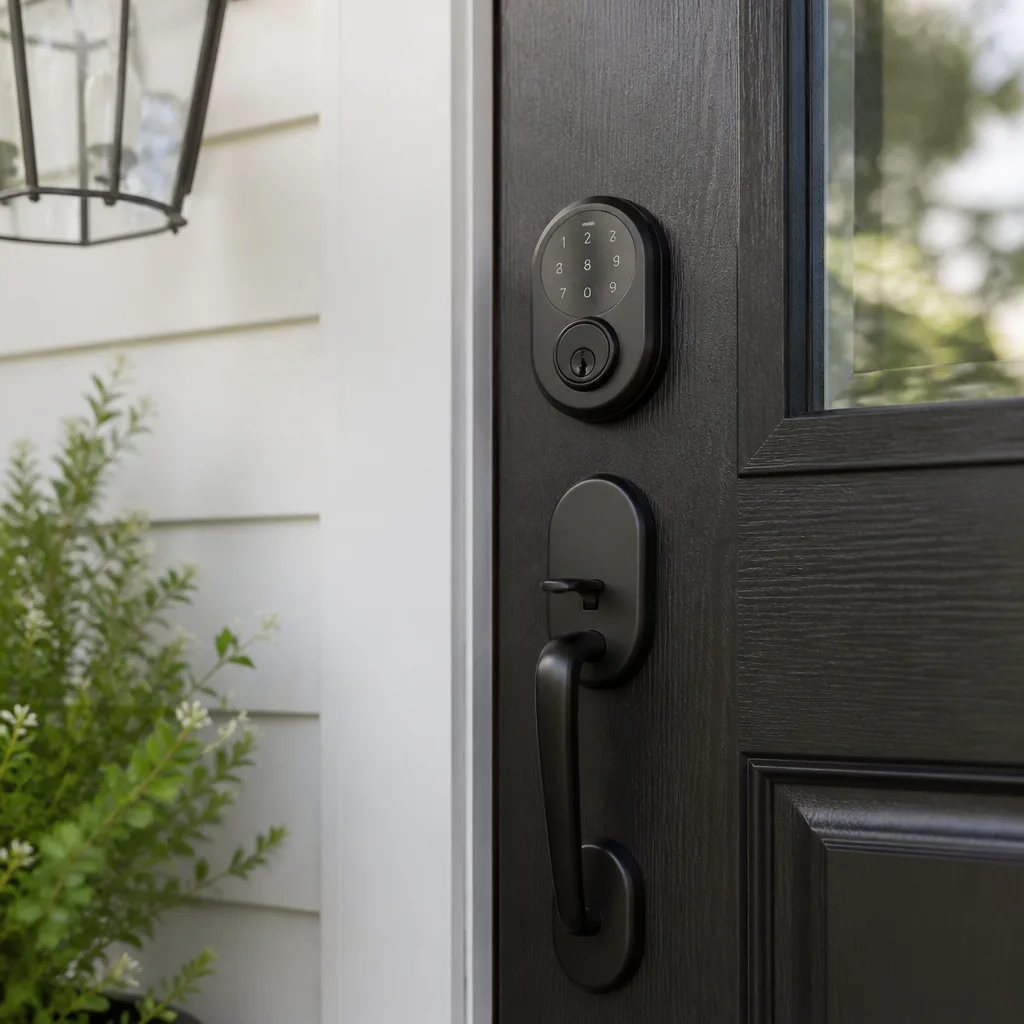 Smart locks
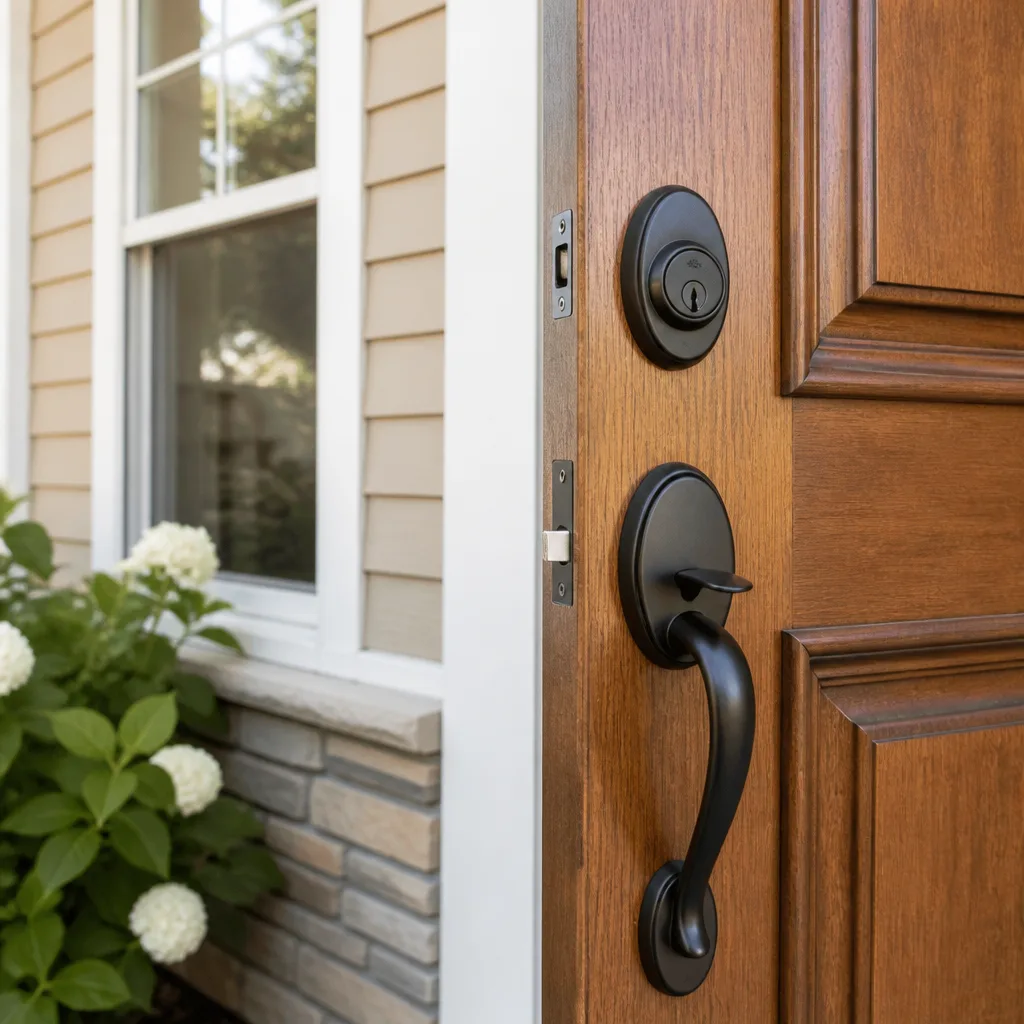 House lockouts
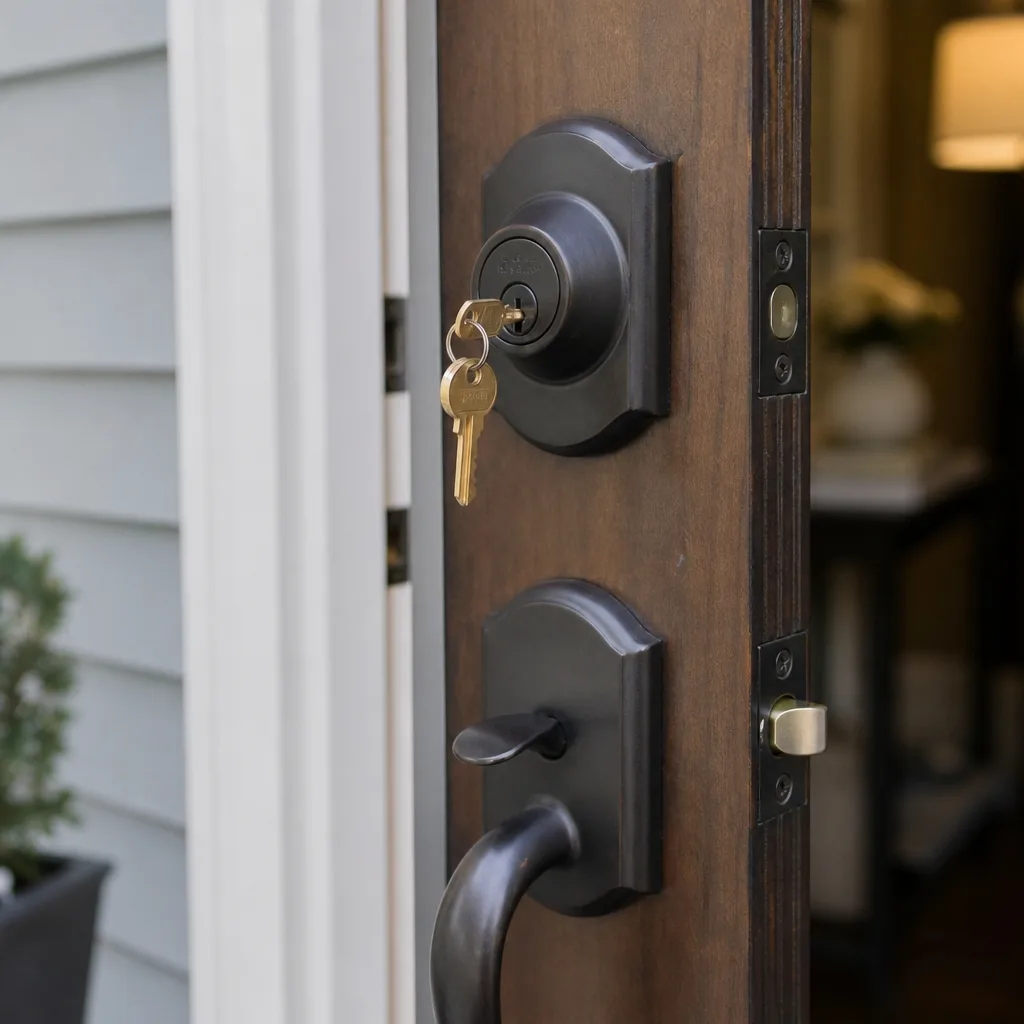 Re-keying
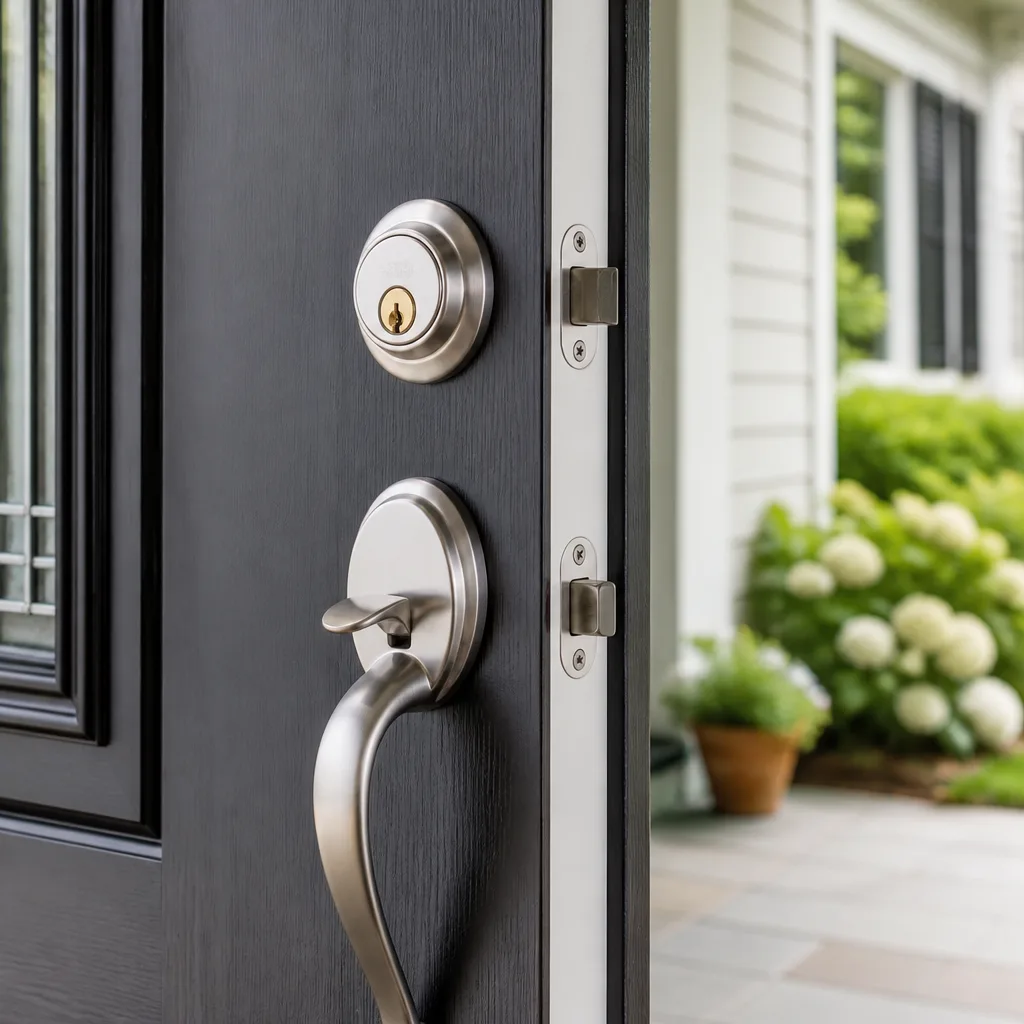 Deadbolt upgrades
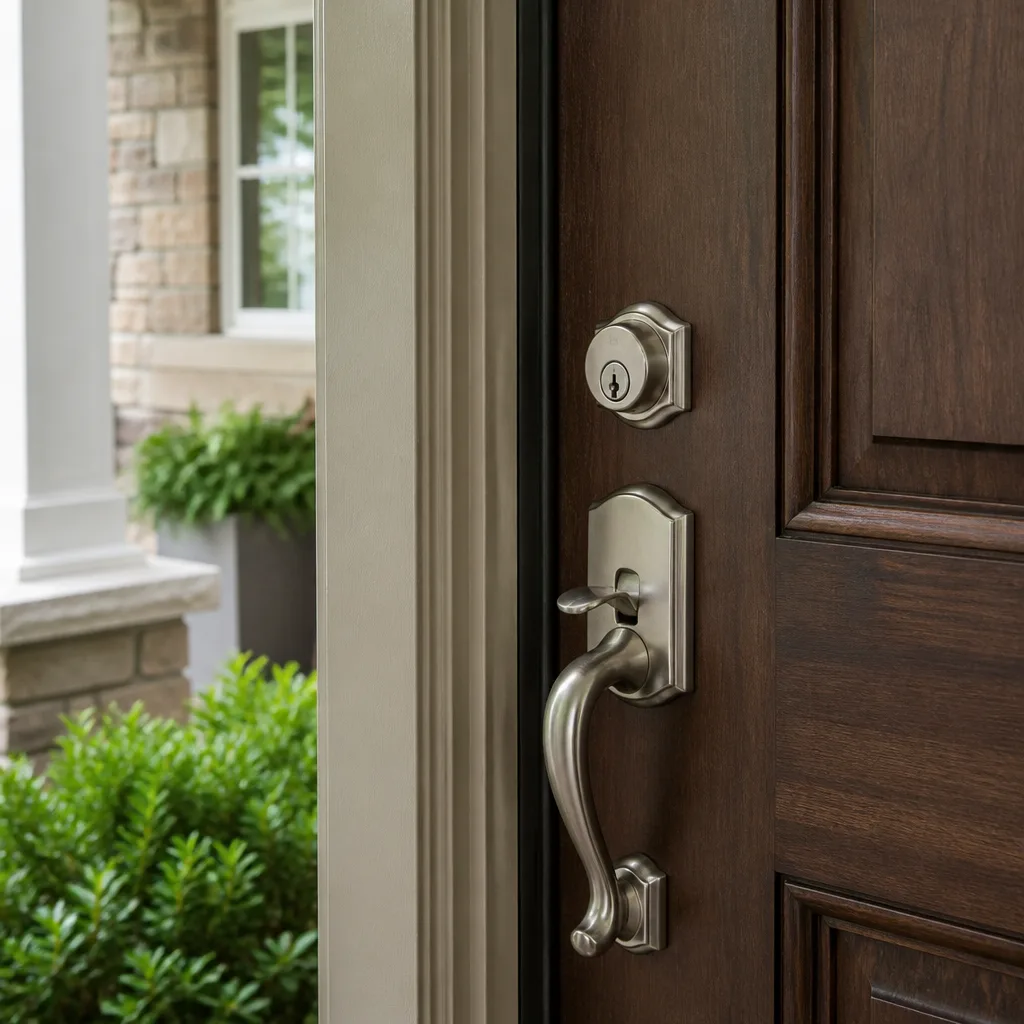 Schlage
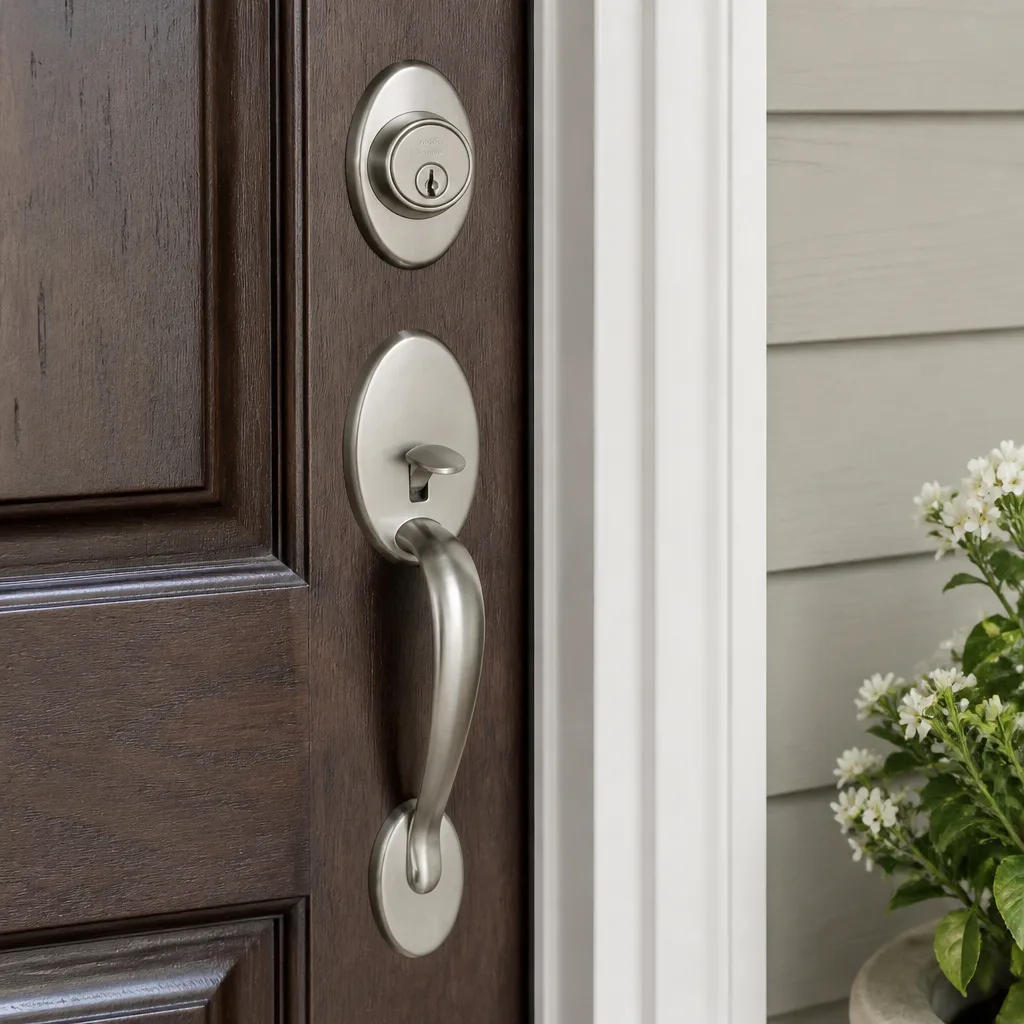 Kwikset
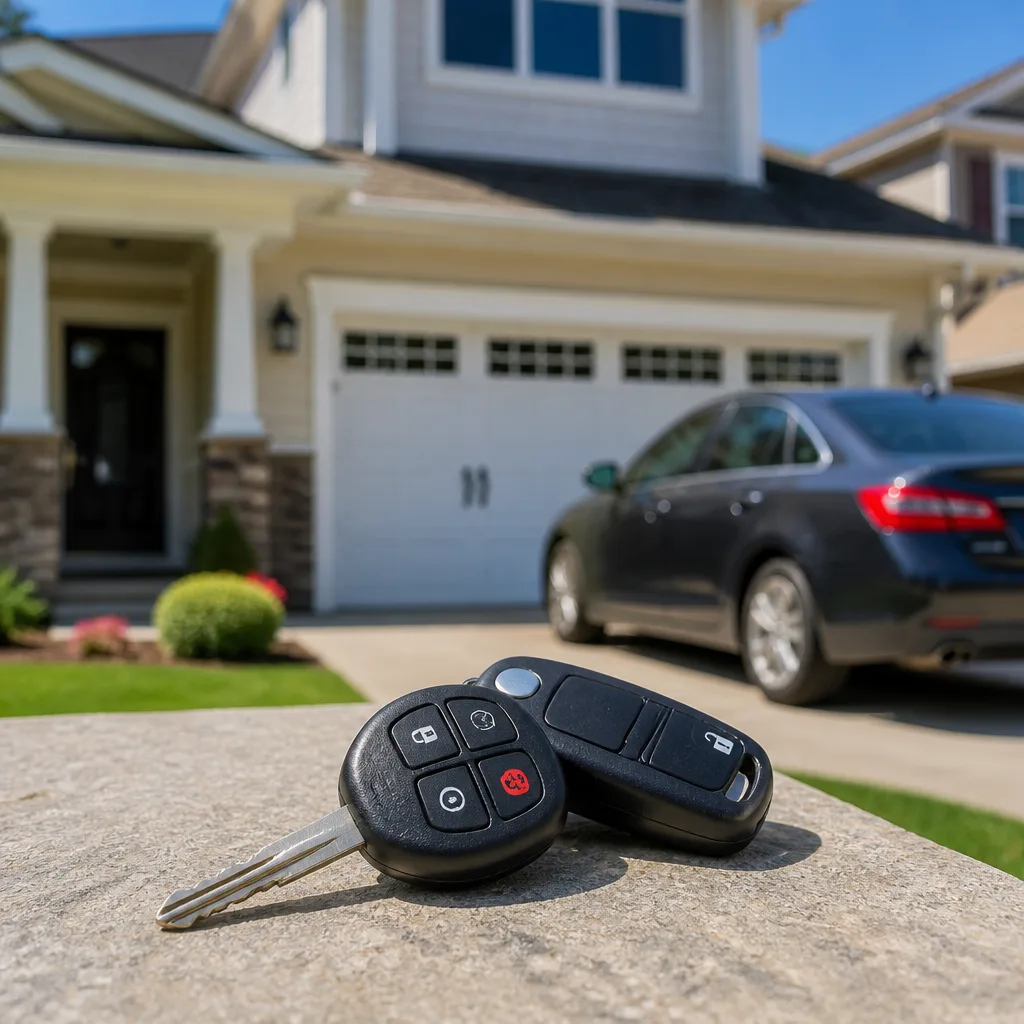 Car keys & fobs
Non-destructive entry first, always - and we re-key Schlage, Kwikset, and Baldwin locks on the spot while you watch
You get a price before we start. It does not change when we arrive. No surprises.
Get your free estimateLocksmith Warning Signs: A Chandler Homeowner’s Reference Guide
The “drilling is the only option” claim is the single most profitable lie in the locksmith scam playbook. Chandler residents reported it to the Arizona Attorney General more than a dozen times last year alone, and the pattern keeps repeating because it works on people who are stressed, locked out, and just want to get inside. This guide documents the actual scripts and tactics we see in Maricopa County, not generic internet advice—though you can find more guides & resources on our blog. You’ll learn what a real locksmith does instead of drilling, how to spot a fake Chandler storefront, and the post-service red flags that indicate you got taken.
Quick Answer
The clearest locksmith warning signs in Chandler are a phone quote that balloons on site, a technician who claims your deadbolt must be drilled without first trying non-destructive entry, a business address that turns out to be a UPS Store or virtual office, and a Google profile whose five-star reviews all appeared within a 72-hour window. A legitimate locksmith quotes a firm price range before dispatch, picks or bypasses standard residential locks in most cases, has a verifiable physical presence or accountable business identity, and provides an itemized receipt along with any removed hardware. If you see the drill-first script or a bait price, stop and call someone else.
Styles & brands we work with
Table of Contents
- The Bait-and-Switch Pricing Script
- Why “We Have to Drill” Is Almost Never True
- Virtual Offices and UPS Store Addresses
- The Fake Review Cluster
- Post-Service Red Flags
- What a Legitimate Chandler Locksmith Does
- Common Mistakes to Avoid
- When to Call a Professional
- Frequently Asked Questions
The Bait-and-Switch Pricing Script
Chandler’s rapid growth and high rental turnover create a steady supply of people who need a locksmith right now and have never hired one before. That combination is exactly what bait-and-switch operators depend on. The script runs the same way in most cases, and once you know it, it’s impossible to miss.
The initial phone call is where the hook gets set. You’ll hear a service fee between $15 and $35, sometimes described as a “trip charge” or “arrival fee.” The person on the phone is typically a dispatcher at a call center, often not even in Arizona. They’re trained to avoid giving you a total price and to pivot the conversation toward getting a truck dispatched. The $19 or $29 figure is real, but it’s not the price of the job. It’s the price of getting a technician to your driveway.
When the technician arrives, the script continues. They’ll look at the lock, shake their head, and explain that your lock is “commercial grade,” “high security,” or “unusual,” and therefore the work will cost far more than the phone quote implied. What started as a $29 service call becomes a $180 to $400 bill, plus a separate labor charge, plus a fee for the new lock you “need.” In Arizona, this is legal if the final price is disclosed before the work begins and you agree to it. That’s the part most homeowners don’t realize: the scam isn’t the final number. The scam is that the final number was never going to be the phone quote, and you were manipulated into a corner where saying no feels harder than paying.
The pushback that works: before the technician touches anything, ask for the complete price, itemized, in writing or at least spoken clearly while you write it down. If they resist, get vague, or say they “won’t know until they start,” tell them to stop and call a different locksmith. A legitimate shop quotes a firm range over the phone and honors it on arrival. At Thornton Lock & Key, we give you the full price on the phone before anyone is dispatched, and that’s the number on your invoice. No surprise line items after the fact.
Why “We Have to Drill” Is Almost Never True
The centerpiece of the Chandler scam playbook is the claim that your lock is impossible to open without drilling. It’s a profitable lie because drilling destroys the lock, which guarantees the sale of a replacement lock, a higher labor charge, and often an upcharge for “removing the damaged cylinder.” A job that should cost $75 to $150 to open becomes a $350 to $500 replacement job, and the technician pockets margin on hardware you didn’t need.
Here’s what a trained locksmith actually does when you’re locked out of a standard residential deadbolt. The first attempt is non-destructive entry: picking the lock, bypassing it with an under-door tool, shimming it, or decoding it if it’s a key-in-knob or lever. These techniques work on the vast majority of residential locks in Chandler, including the Schlage and Kwikset hardware installed on most homes in the East Valley, as detailed in our Seasonal Locksmith Care for Chandler: Year-Round Homeowner’s Guide. Picking a standard pin-tumbler cylinder is a skill that takes practice, not magic, and a technician who carries a pick set and knows how to use it will open your door in minutes without damaging anything.
There are legitimate situations where drilling is the correct call. A lock that has a broken key jammed in the cylinder, a cylinder that has seized due to age and corrosion, or a high-security lock with a damaged sidebar mechanism may require drilling. But here’s the distinction a homeowner should look for: a real locksmith explains the specific reason drilling is necessary, shows you the problem, and apologizes for the outcome. A scam technician announces “gotta drill it” within ninety seconds of arrival, before attempting anything else, because drilling is the whole point of the visit.
Safety note: drilling a lock produces metal shavings and heat, and doing it incorrectly can damage the door, the frame, or the surrounding trim. This is not a DIY job, and it’s not something to accept from someone who hasn’t first demonstrated they know how to avoid it. Ask one question when you hear the drill claim: “What methods did you try before deciding to drill?” If the answer is “none,” you’re being worked.
Virtual Offices and UPS Store Addresses
Chandler has a particular vulnerability to the fake storefront because so much of the city’s commercial real estate is industrial or office park space that looks legitimate on a Google listing. A locksmith “located” at a Chandler address may have no physical presence at all. The address belongs to a UPS Store mailbox, a virtual office company that rents conference rooms by the hour, or a registered agent service that exists only to receive legal mail.
Here’s how to check before you call. Open Google Maps and look at the street view. If the listed address resolves to a strip mall with a UPS Store, a FedEx Office, or a generic office suite building with a dozen suite numbers and no signage, be suspicious. Locksmiths who do house calls don’t need a retail storefront, so the absence of a walk-in shop is not itself a red flag. But the address should correspond to something real: a workshop, a warehouse unit, a home office, or a commercial bay. If the street view shows a mailbox rental chain, the “locksmith” is often a dispatch service that routes your call to whoever will take the job, and that person may not be licensed, trained, or accountable.
A second check: call the number and ask for the physical address, then ask if you can pick up a part or drop off a lock for rekeying. A legitimate operation will either say yes and give you directions, or explain that they’re mobile and don’t have a storefront, which is also a fine answer. A scam operation will stammer, say they’re “between locations,” or tell you they only work on-site. We’re mobile, and we say so directly when people ask. What we don’t do is hide behind a mailbox and hope you won’t look.
The Fake Review Cluster
Google Business profiles have become the front line of locksmith fraud, and the fake review cluster is the most reliable tell. The pattern: a profile appears with 38 five-star reviews, all posted within a 72-hour window, all from accounts with generic names, and all leaving nearly identical comments like “great service, very professional, fast response.” Real reviews trickle in over months and years. Fake reviews arrive in a burst.
What’s happening is straightforward. The operator purchased reviews from a click farm or recruited friends and family to post in a coordinated batch. Google’s algorithms catch many of these clusters eventually, but the profile can survive for weeks or months, long enough to harvest calls from Chandler homeowners who see the shiny rating and don’t scroll further. The scam works because most people don’t read reviews; they read the star rating and stop.
How to spot it in thirty seconds. Expand the reviews and look at the dates. A genuine business with a year of history will show reviews spread across that year, with gaps, dips, and occasional negative reviews. A manufactured profile will show a dense cluster that looks like a wall of identical praise. Look at the reviewer names and their other reviews. If a reviewer named “Jake M.” has left 14 five-star reviews in one week, all for locksmiths in different cities, that’s a paid profile. Check the photos too. Fake profiles often have stock photos of smiling technicians wearing unbranded shirts, stolen from shutterstock sites.
The takeaway for Chandler homeowners: ignore the star rating until you’ve verified the pattern behind it. A 4.7 rating built over three years with varied, specific reviews (“rekeyed our house after closing in Ocotillo, showed up at 9 p.m., charged what he quoted”) is worth more than a 5.0 rating built in a weekend by ghosts.
Post-Service Red Flags
The scam doesn’t always reveal itself during the job. Some operators are smooth enough to complete the work, take your money, and leave you thinking everything went fine. The red flags show up afterward, and knowing them now means you’ll recognize them before the next lock problem.
Red flag one: the technician will not return the original lock cylinder. When a lock is replaced, the old cylinder belongs to you, not the tech. You paid for the new hardware, and the old hardware is your property. A scam operator keeps the old cylinder for the same reason a car thief keeps the steering column: it’s evidence. They don’t want you showing it to another locksmith who might say, “This cylinder was fine. Someone picked this in two minutes.”
Red flag two: no itemized receipt. A legitimate locksmith provides a written or emailed invoice that breaks down parts, labor, and any service call fee. A scam operator hands you a credit card slip with a total and nothing else, or scribbles a number on a business card. Without an itemized receipt, you can’t dispute the charge with your card company, file a complaint with the Arizona Attorney General’s office, or prove what you paid for if the lock fails later.
Red flag three: the technician’s phone is now disconnected, or the number routes to a different company name. This is the virtual dispatch model collapsing. The “company” you called was a rental front that sold your job to a subcontractor, and when enough complaints piled up, they changed names and phone numbers. You never had a locksmith at all. You had a middleman.
If any of these happen after the fact, document everything. Screenshot the original listing. Save the receipt if you got one. File a complaint with the Arizona Attorney General’s Consumer Protection Division. And next time, call a business with a named owner and a real number, not a dispatch service. You can reach a named, accountable locksmith at (888) 455-7175.
What a Legitimate Chandler Locksmith Does
Having covered the warning signs, the useful inverse is a clear picture of what a real locksmith’s process looks like from first call to final invoice. This is the standard we hold ourselves to, and it’s the standard you should demand from anyone who touches your locks.
On the phone: a legitimate locksmith asks what kind of lock you have, whether you’re locked out or need rekeying, and gives you a firm price range before dispatch. They don’t hedge with “it depends” and they don’t promise a $19 service call. They quote the total, and the total is what you pay.
On site: the technician arrives in a marked vehicle or at least with company identification, introduces themselves, and repeats the price before starting. They examine the lock, explain what they’re going to do and why, and get your consent before any work begins. If non-destructive entry fails, they show you what they tried and explain the next step before drilling anything.
After the job: you receive an itemized receipt, your original hardware if it was replaced, and a warranty or guarantee in writing if the work carries one. The technician’s phone number is the same one you called, and a real person answers if you follow up.
One thing that sets a capable shop apart: the hardware they’re comfortable working on. A technician who has never touched a Medeco or Abloy cylinder will tell you it needs to be replaced because they can’t decode or rekey it. A technician who works across Schlage, Kwikset, Medeco, Mul-T-Lock, Abloy, Yale, Baldwin, and Sargent will rekey or repair what you have. We work on the lock you actually own, not just the easiest lock to sell you.
Common Mistakes to Avoid
- Accepting the first phone number in the Google ad box. Scammers buy ad placement at the top of the results. Scroll past the ads and look at the organic listings, or better yet, ask a neighbor which locksmith they’ve actually used in Chandler.
- Hiring without asking the price on the phone. If the person answering won’t quote a firm number before dispatch, you’re not hiring a locksmith. You’re hiring a lottery ticket with a dispatch fee.
- Letting a technician start work before stating the total. The moment you say “go ahead” without a number, you’ve agreed to whatever number comes next. Say the number out loud first, and write it down.
- Believing the drill-first claim without a second opinion. A deadbolt that takes a trained locksmith three minutes to pick is not a drilling job. If you hear “gotta drill” within the first two minutes, stop the job and call someone else.
- Assuming a high Google rating is legitimate. Check the review dates and patterns. A 5.0 with a dozen reviews from a single weekend in March is manufactured. A 4.6 with reviews spread across a year is real.
- Not asking for the old lock cylinder back. It’s yours, and someone who won’t return it is hiding something about the work they did.
- Paying cash and skipping the receipt. Requests for cash-only payment are common among unlicensed operators. Get an itemized receipt, or don’t pay until you have one.
When to Call a Professional
You should call a locksmith the moment you’re locked out, the moment you realize a key is missing and you don’t know who might have it, or the moment you close on a Chandler home and don’t know how many copies of the key are floating around. These aren’t situations that improve by waiting, and the stress of an unresolved lock problem only grows. The same applies when you’ve had a break-in attempt, lost a car key that might include a transponder or fob, or bought a home where the previous owner’s spare keys are unaccounted for.
Rekeying after a move is one of the smartest security calls a new homeowner can make. It costs a fraction of a full lock replacement and gets the same result: the old keys stop working. We rekey locks across the brands commonly found in Chandler homes, from Kwikset and Schlage on up through Medeco and Abloy. If you need emergency locksmith response, Thornton Lock & Key offers free estimates in Chandler. Call (888) 455-7175, get a firm quote, and know the price before anyone is dispatched. That’s how it should work.
Frequently Asked Questions
The most common scams in Chandler are the bait-and-switch phone quote that becomes a $300-plus on-site bill, the false “we have to drill” claim that forces a lock replacement, and the fake Google Business profile with a rented address and manufactured reviews. Chandler’s rental turnover and fast growth make it a target for these tactics because new residents often lack a relationship with a locksmith and don’t know what a fair price looks like. Call (888) 455-7175 for an honest, upfront quote from a named Chandler business before you call anyone else.
Ask for the full street address and check it on Google Maps. If the address is a UPS Store, a virtual office suite, or a registered agent, treat the “local” claim as unverified. A real locksmith will either have a physical workshop or be upfront about being mobile without a storefront, and they’ll answer when you ask what part of the Valley they serve. We’re a mobile service that covers Chandler directly, and we say so plainly.
Residential lockout service in Chandler typically runs $75 to $150 for non-destructive entry, while rekeying a standard deadbolt and knob set usually falls between $60 and $120. Car key replacement varies widely by vehicle and key type, running anywhere from $100 for a basic metal key to $250 or more for a transponder or fob-style key—see our Car Key Replacement Maintenance Checklist for Chandler Homeowners for what to track. The final number depends on the specific lock and hardware, but any quote should be firm when stated.
At Thornton Lock & Key, yes. The price we quote on the phone is the price on your invoice, including the service call, labor, and any parts, unless you approve a change in writing before we do additional work. If a locksmith won’t commit to a phone quote and then adds charges on arrival, that’s a warning sign, not a normal part of the job. Call us for a free estimate and you’ll get the number up front.
Rekeying is almost always the better first move after closing on a home in Chandler. A rekey changes the internal pins so the old keys stop working, which costs about half of what full lock replacement costs and takes minutes per cylinder. Replacement only makes sense if the hardware itself is worn, damaged, or you want to upgrade the finish or security grade. For most new homeowners, rekeying delivers the same security outcome for less money.
Emergency locksmith response is one of our core services, and we dispatch to Chandler quickly for time-sensitive lockouts. If you’re locked out, call (888) 455-7175 and you’ll get a technician on the way with the price already quoted on the phone. For rekeying and car key replacement, we schedule a window that works for you and show up when we say we will.
The Bottom Line
The locksmith scams targeting Chandler homeowners are predictable, repeated, and avoidable once you know the tells. A bait phone quote followed by an inflated on-site bill, a drill-first technician, a UPS Store address, a fake review cluster, and a refusal to return your old hardware are all signs you’re not dealing with a legitimate shop. The fix is simple: demand a firm phone quote, verify the business is real, and hire a locksmith who works on the lock you actually have rather than the lock they want to sell you. Thornton Lock & Key serves Chandler with car key replacement, emergency locksmith response, and rekey services. Call (888) 455-7175 for a free estimate, and know your price before anyone is dispatched.
Written by the team at Thornton Lock & Key, serving Chandler since 2018.