
Last updated October 31, 2026
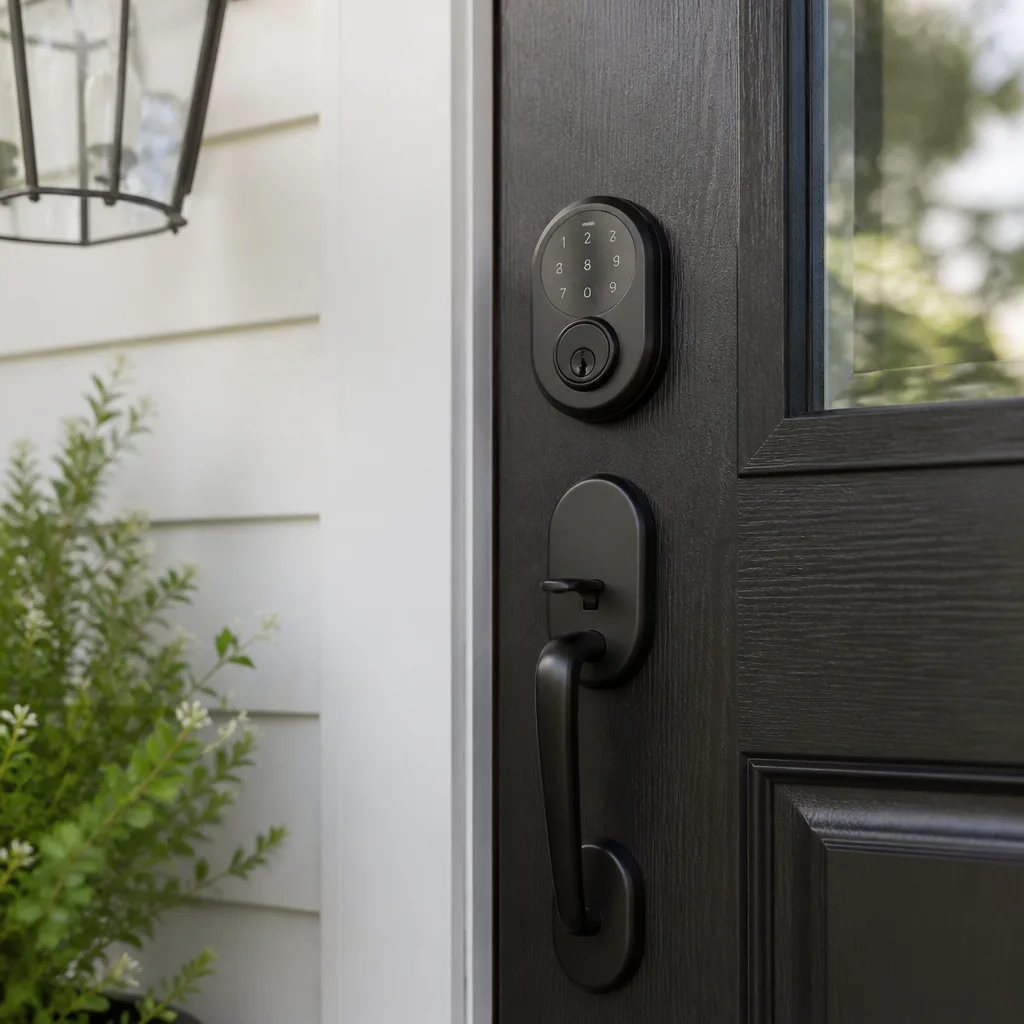 Smart locks
 House lockouts
 Re-keying
 Deadbolt upgrades
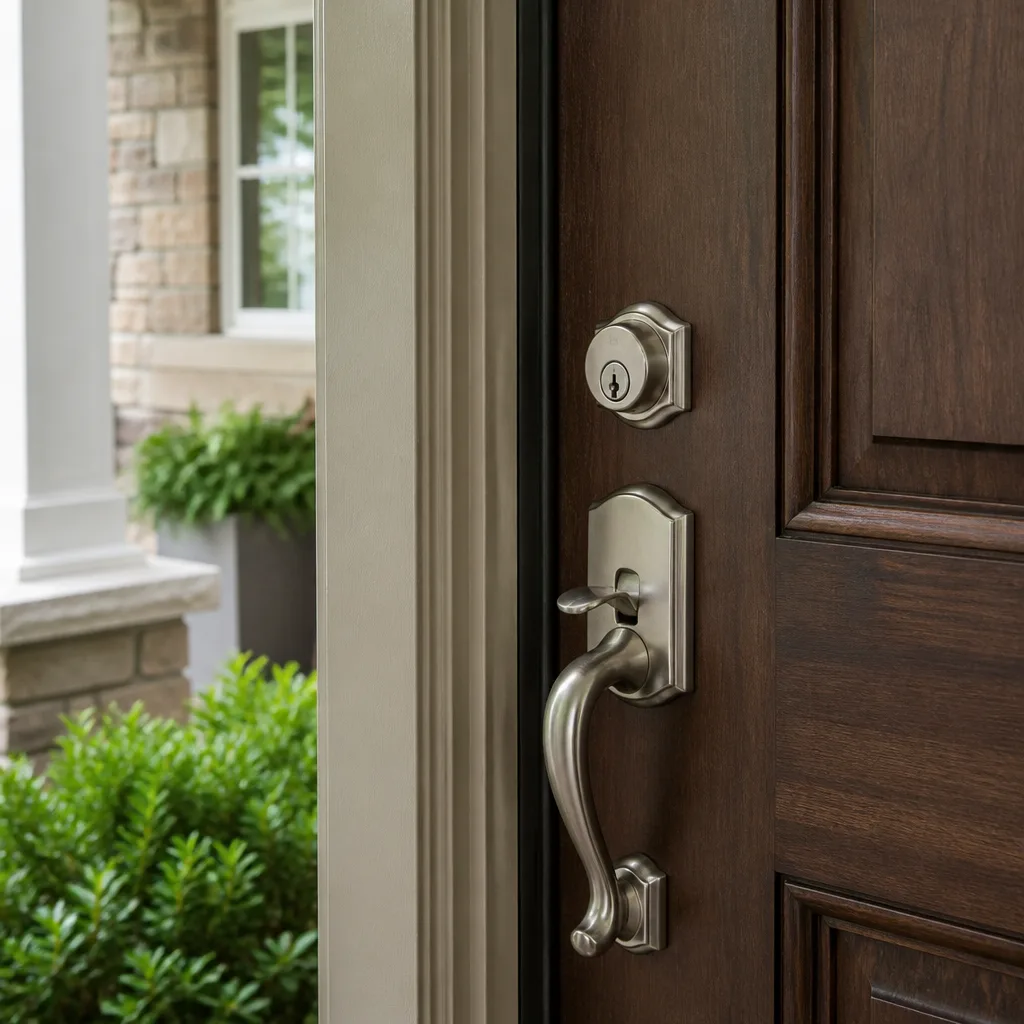 Schlage
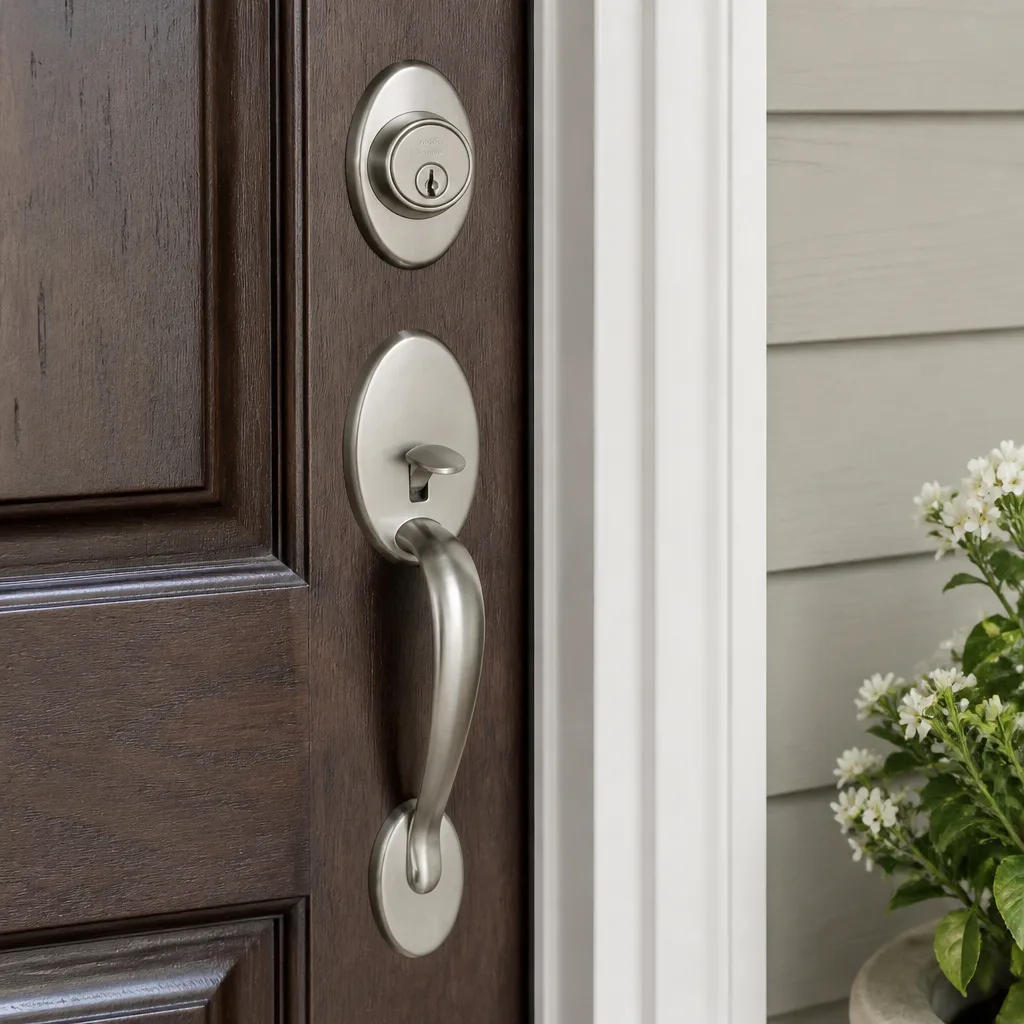 Kwikset
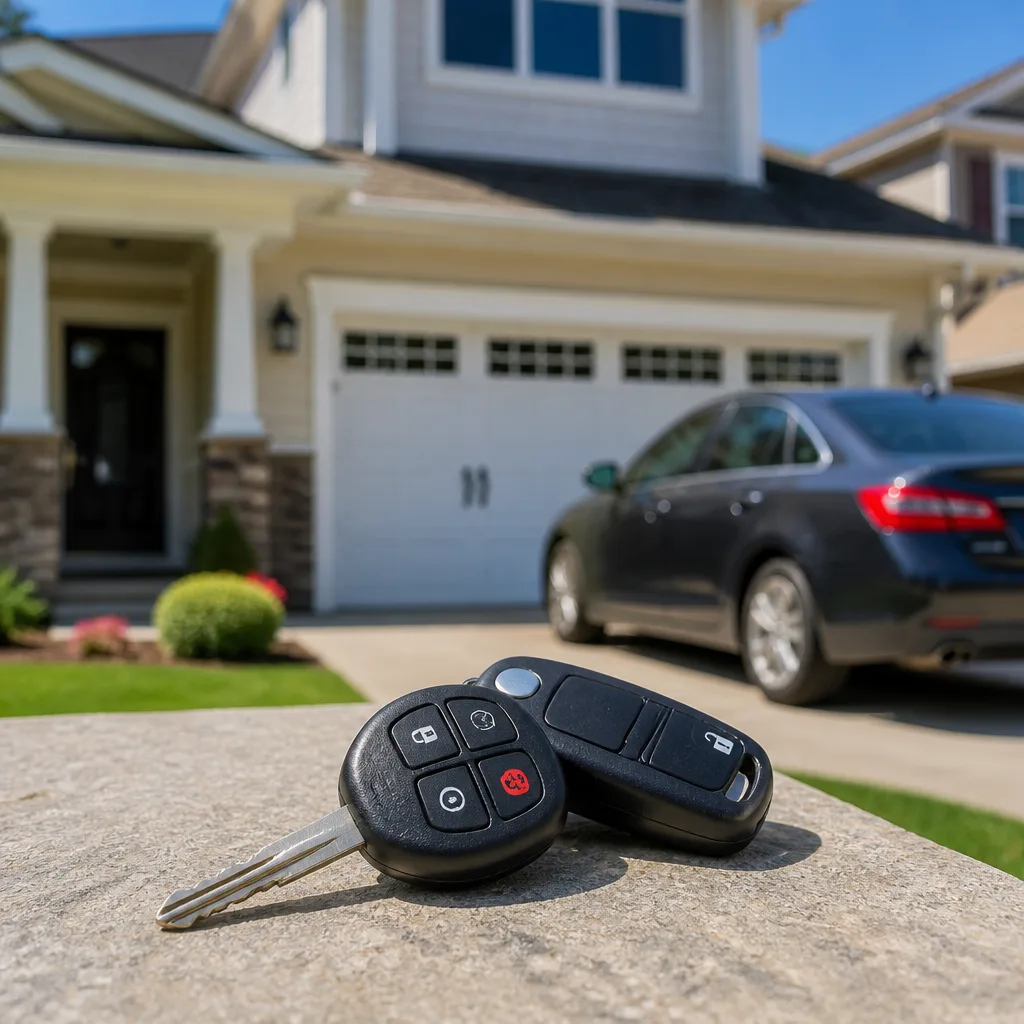 Car keys & fobs
Non-destructive entry first, always - and we re-key Schlage, Kwikset, and Baldwin locks on the spot while you watch
You get a price before we start. It does not change when we arrive. No surprises.
Get your free estimateLocksmith Permits, Codes & Inspections in AZ: What You Need to Know
Arizona is one of only a handful of states with no dedicated locksmith license. That sounds like a deregulation win until an unlicensed tech installs commercial door hardware that fails a fire marshal inspection, or wires an access control panel without an ROC contractor’s license and your insurance company denies the claim. This guide unpacks the actual regulatory framework: what requires a permit, what triggers contractor licensing, where Chandler’s municipal code overlaps with state rules, and how homeowners and property managers can protect themselves from liability. We’re writing this from our shop floor in Chandler, where we deal with these questions weekly.
Quick Answer
Arizona does not issue a statewide locksmith license, but locksmith work that involves structural door frame modification, commercial hardware installation on new construction, or electronic access control wiring can trigger Arizona Registrar of Contractors (ROC) licensing requirements. Most residential rekeying, lock replacement, and car key work falls under unlicensed trade work. In Chandler, commercial door hardware projects may require a building permit, though simple like-for-like lock replacement almost never does.
Styles & brands we work with
Table of Contents
- The Arizona Locksmith Licensing Reality: No License, But Real Rules
- When Locksmith Work Crosses the ROC Threshold
- How Chandler’s Municipal Code Intersects with State ROC Rules
- The Alarm Installation Classification: What It Actually Means
- Homeowner Liability When a Non-ROC Locksmith Does Structural Work
- How to Pull a Basic Permit for Commercial Lock Hardware in Chandler
- Fire Codes, Life Safety Codes, and Door Hardware Compliance
- How to Vet Any Locksmith in Arizona Without a License to Check
The Arizona Locksmith Licensing Reality: No License, But Real Rules
Fifteen states require a locksmith license. Arizona is not one of them. The Arizona Registrar of Contractors (ROC) oversees construction trades and commercial contracting, but lock installation, rekeying, and car key programming fall outside its scope when performed as standalone services on existing structures. That means anyone in Chandler can legally call themselves a locksmith tomorrow and start cutting keys.
However, “no locksmith license” is not the same as “no rules.” Three regulatory layers still apply:
- ROC contractor licensing when work involves new construction, structural modification, or low-voltage wiring tied to access control systems.
- Municipal building codes in cities like Chandler that require permits for certain commercial door hardware replacements and frame work.
- Fire and life safety codes that govern panic hardware, exit devices, and door hardware on commercial and multi-family buildings.
At Thornton Lock & Key, we work on the lock you actually have, whether that’s a Schlage deadbolt on a Chandler condo or a Medeco high-security cylinder on a commercial office door. But when a job involves more than swapping hardware, we tell the customer exactly which permits or inspections apply before we start. That saves surprise fines and failed inspections later.
When Locksmith Work Crosses the ROC Threshold
The line between unlicensed trade work and ROC-regulated contracting in Arizona comes down to three triggers: new construction, structural changes, and electrical or low-voltage wiring. Here is the exact threshold as it applies to locksmith services.
- Rekeying an existing lock: No ROC license required. This is hands-down the most common service we perform in Chandler, and it never touches the structural door frame or the building envelope.
- Replacing a lock on an existing door with a like-for-like unit: No ROC license required. Swapping a Kwikset for a Kwikset, or a Yale for a Yale, is straightforward hardware replacement.
- Installing a new lock where none existed, requiring fresh holes in the door: Gray zone. If the door is part of an occupied residential property and the modification is minor, most jurisdictions treat it as handyman work. But if the door is on a commercial building or part of a larger remodel, the city of Chandler can interpret this as altering a fire-rated assembly, which may trigger permit requirements.
- Installing door hardware on new construction or during a permitted remodel: ROC license required for the general contractor overseeing the project. Locksmiths working as subcontractors must fall under the GC’s license or hold their own ROC specialty license.
- Wiring an electronic access control system, including maglocks, electric strikes, or card readers: ROC low-voltage license required. This is the one most locksmiths and property owners get wrong. We will break it down in the alarm classification section below.
The practical takeaway: if your project involves a drill, a screwdriver, and existing hardware, you’re almost always in unlicensed territory. If it involves new door frames, concrete cutting, or wiring, you need someone with the right credentials.
How Chandler’s Municipal Code Intersects with State ROC Rules
Chandler operates under Maricopa County’s unified permitting framework but layers its own interpretations on top of the state’s contractor rules. For locksmith work, the municipal code matters in three specific situations.
First, fire door hardware. Chandler’s building inspection division requires that any fire-rated door assembly maintain its rating after hardware replacement. If you replace a panic bar on a fire door in a Chandler office building with a non-compliant unit, the fire marshal can flag the building during its annual inspection. The property owner, not the locksmith, is the one cited.
Second, commercial storefront doors. Chandler’s commercial permitting desk requires a permit for new door installation or frame modification on commercial properties. Like-for-like hardware replacement on an existing door, including locks, closers, and exit devices, does not require a permit. This is the most common scenario we see, and property managers are often surprised that a simple lock swap is permit-exempt.
Third, multi-family properties. Chandler’s rental housing code requires functional locks on all exterior doors and unit entry doors, with specific language about key control for vacant units. When a property manager calls us to rekey locks after a tenant move-out, the work itself needs no permit, but the lock function must meet the city’s minimum security standard for the building’s occupancy class.
We have worked on commercial properties throughout Chandler, from the industrial corridor near McQueen Road to the office parks along Price Road, and the permit question almost always depends on whether the door carries a fire rating and whether the frame itself is being altered.
The Alarm Installation Classification: What It Actually Means
Most guides get this wrong. They say “alarm installation” as if it’s a single licensing category that covers every electronic lock. Arizona’s ROC system actually breaks low-voltage work into multiple scopes, and electronic access control falls under the R-67 Low Voltage Communication Systems classification, not a general alarm contractor license.
Here is what that means in plain language for a Chandler business owner or property manager:
- Installing a standalone electronic lock, like a keypad deadbolt that runs on batteries and does not connect to a building system: no ROC license required. This is hardware replacement, plain and simple. We install battery-powered electronic locks on Chandler residential doors regularly without any permit or contractor requirement.
- Connecting an electronic lock to a building’s network or access control panel: ROC low-voltage license required. The moment wiring penetrates a wall or connects to a control panel that manages multiple doors, the work falls under regulated low-voltage contracting.
- Installing card readers, electric strikes, or maglocks controlled by a central system: ROC low-voltage license required, and the project may also require a Chandler Commercial Building Permit if the installation involves new raceway, conduit, or wall penetrations.
The conflating of “alarm” and “access control” causes real problems. A locksmith who is excellent at cutting Medeco keys might not be licensed to wire an access control system, and a licensed alarm contractor might not be certified to service the Mul-T-Lock high-security cylinders on the same door. Knowing which credential applies to which scope protects everyone involved.
Homeowner Liability When a Non-ROC Locksmith Does Structural Work
Here is the scenario that motivates this guide: a Chandler homeowner hires a handyman to install a new entry door with a high-security lock. The handyman cuts the door frame slightly wrong, or doesn’t properly reinforce the strike plate. Six months later, the door sags. The homeowner files an insurance claim for the door repair. The insurance company discovers the installer had no ROC license and denies the claim because the work constituted a structural modification requiring a licensed contractor.
This is not hypothetical. We have seen exactly this situation with residential door replacements in Chandler and throughout the East Valley.
Here is what homeowners need to understand about their own liability exposure:
- Your homeowner’s insurance typically covers damage from work done by licensed contractors. Unlicensed work creates a coverage gap, even if the damage was accidental.
- If a non-ROC worker modifies a fire-rated door assembly in your home’s garage (common in Chandler homes with attached garages), the work can void the fire rating and create liability that follows the property through a sale.
- If a non-ROC locksmith damages a door frame during a forced entry or lock replacement, you may have no recourse through the ROC recovery fund, which only covers work by licensed contractors.
- If work fails inspection on a permitted remodel because the lock hardware was installed by someone not on the permit, the homeowner carries the correction order, not the installer.
The safe line: when a job moves beyond like-for-like hardware replacement and touches the door frame, the strike area, or the building envelope, ask whether the person doing the work holds an ROC license or works under one. If the answer is no, you are the one holding the liability bag.
How to Pull a Basic Permit for Commercial Lock Hardware in Chandler
Most commercial lock hardware replacements in Chandler do not require a permit. But when they do, property owners almost never pull one. Here is the step-by-step for the scenarios where a permit actually applies.
- Determine whether your door is fire-rated. Look for a fire rating label on the hinge edge of the door or the frame. Chandler enforces NFPA 80, which requires fire-rated doors to maintain their labeled rating through all hardware changes. If the door carries a label, keep reading.
- Identify the scope of work. Swapping a lock cylinder on a fire-rated door: no permit. Replacing the entire lock body or exit device with a different model: no permit if it’s a like-for-like replacement. Installing a new latch or bolt that requires mortising the door edge: this is where the gray zone begins.
- Call Chandler’s Building and Development Services Division. Ask for a commercial plan review determination. Describe the scope in plain language. The city’s commercial inspectors will tell you whether a permit is triggered. The phone consultation is free, and the city’s team on Arizona Avenue is responsive to property manager calls.
- If a permit is required, have your licensed contractor file it. For a basic door hardware replacement, the permit is usually a simple commercial alteration permit with a flat fee under $200. The contractor files the application, attaches the hardware spec sheet, and schedules the inspection.
- Schedule the inspection. Chandler inspects commercial door hardware against the submitted spec sheet and fire code compliance. Inspections are typically scheduled within 5 – 10 business days of the work being completed.
Here’s the reality from the Chandler commercial market: this process is almost never followed for simple lock replacements. Property managers replace locks as maintenance work. The permit question only becomes serious when a door carries a fire rating, when the hardware changes the door’s locking function, or when a tenant improvement project is already under permit. That’s when we advise clients to flag the lock hardware in the existing permit rather than treating it as a separate scope.
Fire Codes, Life Safety Codes, and Door Hardware Compliance
Commercial door hardware in Chandler is governed by a stack of codes: the International Building Code as adopted by the city, NFPA 101 for life safety egress, NFPA 80 for fire door assemblies, and ADA requirements for operational force and hardware type. These codes matter for any commercial property owner or facility manager because they directly affect fire inspection pass rates and insurance renewals.
Here is what the codes actually require, in plain terms:
- Panic hardware on assembly occupancies. Any door serving 50 or more occupants must have panic hardware that releases with pressure, not a twisting knob or lever.
- Fire-rated doors cannot have non-rated deadbolts installed. If a tenant installs a deadbolt on a fire-rated corridor door in a Chandler office building, that is a code violation that a fire inspector will flag during the building’s annual inspection.
- ADA hardware standards apply to commercial doors. Grip hardware must be operable with one hand, without tight grasping, pinching, or twisting of the wrist. That rules out most round knobs on commercial restroom doors and entry doors in public areas.
- Electric strikes and access control hardware on fire-rated doors require fail-safe configuration. This means the door must unlock automatically on power loss to preserve egress. Installing a fail-secure strike on a fire-rated door is a life safety violation.
For Chandler property managers, the practical guidance is simple: when a lock hardware replacement changes how a door locks or unlocks, check the door’s fire rating before ordering parts. We handle this constantly with commercial clients in Chandler, and the most common issue we correct is a tenant-installed deadbolt or thumb-turn lock that violates fire code on a rated door. The fix is usually a simple hardware swap to a code-compliant lever or panic device, but catching it before the fire inspector does saves a failed inspection and a follow-up visit.
How to Vet Any Locksmith in Arizona Without a License to Check
Since Arizona has no locksmith license to verify, homeowners and business owners in Chandler need a different vetting framework. Here is the checklist we recommend to anyone hiring a locksmith in this state.
- Ask whether they hold an ROC license if the job involves structural work or wiring. If the scope is simple rekeying or lock replacement, no license is needed and the question is moot. If the scope touches a door frame, a fire-rated assembly, or low-voltage wiring, the answer must be yes, or they must work under someone who is.
- Ask for a real business address and look up the company name. In Arizona, anyone can print business cards. A named, accountable business with a verifiable history is a meaningful signal. In our experience in Chandler, the strongest local operations are the ones with a shop you can find and a name you can look up.
- Ask about brand-specific experience before hiring. If you have a Medeco or Mul-T-Lock high-security system, a generalist locksmith may not have the specialized tools or the key control authorization to service it properly. Ask directly: “Do you service this brand, and do you have the key blank authorization for it?”
- Ask for the total price on the phone before dispatch. Arizona locksmiths are not required to quote upfront, but reputable ones do. The price quoted should match the invoice. No surprise surcharges added on arrival.
- Check whether the business carries general liability insurance if the job involves commercial property or high-value hardware. A simple verbal “yes we’re insured” is not the same as a certificate of insurance you can verify.
We built Thornton Lock & Key home services around this exact problem: the locksmith trade in Arizona has no licensing barrier, so trust has to be earned through actual work, real brand expertise, and transparent pricing. That is why we lead with the lock brands we actually service, from everyday Schlage and Kwikset to high-security Medeco and Abloy, and why we quote full prices on the phone before any work begins in Chandler or anywhere in the East Valley.
Common Mistakes to Avoid
- Assuming no locksmith license means no rules at all. Arizona’s deregulated trade still intersects with ROC licensing for structural work and low-voltage wiring. Missing that distinction can void an insurance claim or fail a fire inspection.
- Installing a deadbolt on a fire-rated commercial door. This is the single most common code violation we correct on Chandler commercial properties. A fire-rated door cannot carry unrated hardware that changes its locking function.
- Treating electronic access control as “just a lock.” The moment an electronic lock connects to a building system or wall wiring, ROC low-voltage licensing applies. Call it access control, not lock installation, and the scope changes.
- Hiring a non-ROC worker to modify a door frame. Frame work is structural. Homeowners in Chandler who hire an unlicensed handyman for a door frame job carry the liability if work fails or damages the property.
- Skipping the permit conversation on commercial alterations. A lock swap is usually permit-free, but if the property is already under a tenant improvement permit, the hardware should be flagged in that permit. Fixing it after the fact costs more than a phone call.
- Using non-ADA hardware on a commercial door. Round knobs on public doors are not ADA compliant. A lever handle is the safe default for any commercial occupancy.
When to Call a Professional
Call a professional locksmith when the job involves hardware on a fire-rated door, when an electronic lock needs to connect to an access control system, when you need high-security restricted keyways like Medeco or Mul-T-Lock serviced, or when a lockout happens at 2 a.m. and you’d rather not damage a door frame trying to force entry. The right professional can tell you on the phone whether your job requires a permit or a licensed contractor, and should quote the full price before anyone is dispatched; see our Seasonal Locksmith Care for Chandler: Year-Round Homeowner’s Guide for maintenance timing tips. Thornton Lock & Key offers free estimates in Chandler. Call (888) 455-7175 for an honest assessment of your lock, door, or access control situation.
Frequently Asked Questions
No. Arizona does not issue a locksmith license, and most residential lock replacement, rekeying, and car key work can be performed without any state credential. However, locksmith work that touches structural door frames, fire-rated assemblies, or low-voltage access control wiring may require an ROC contractor’s license, and commercial projects in Chandler may require a city building permit.
No. Rekeying existing lock cylinders on existing doors is considered maintenance and falls outside ROC’s contractor licensing scope, even in Chandler commercial buildings. The work requires no permit and no special license in almost every case.
Permits in Chandler are required when lock hardware installation involves new door frames, penetration of fire-rated assemblies, new doorway openings, or low-voltage wiring for electronic access control. Like-for-like lock replacement on existing doors is almost always permit-exempt.
Electronic access control wiring falls under the ROC R-67 Low Voltage Communication Systems classification. A locksmith who wires card readers, electric strikes, or maglocks to a central control system must hold this license or work under a general contractor who does. Battery-powered standalone electronic locks that do not connect to building wiring do not fall under R-67.
Yes, but the replacement hardware must preserve the door’s fire rating and meet NFPA 80 requirements. Any hardware that changes the door’s locking function, such as adding a deadbolt where none existed or installing a fail-secure electric strike, can be a code violation. In Chandler, fire-rated doors are inspected annually, and violations trigger correction notices to the property owner.
Since there is no locksmith license in Arizona, vet the business itself: ask for a verifiable business address, ask about brand-specific experience with your lock brand (we regularly service Schlage, Kwikset, Medeco, and Yale hardware), confirm the full price on the phone before dispatch, and check for general liability insurance when the work involves a commercial property. A named, accountable local business with transparent pricing is the strongest signal you can get in this state. Call (888) 455-7175 to ask us directly about your hardware.
The Bottom Line
Arizona’s locksmith trade operates without a state license, but that does not mean unregulated. The rules live at the edges: ROC contractor licensing for structural and low-voltage work, Chandler municipal permits for commercial door alterations, and fire and life safety codes that govern what hardware can go on which door. Homeowners and property managers avoid liability by knowing where those lines sit, and by asking the right questions before the drill comes out. Most lock work you’ll ever need is simple, permit-free, and can be quoted fully on the phone. For more guides & resources on Chandler lock and key topics, visit our blog. When it isn’t, you want someone in Chandler who can tell you exactly what applies and what it costs before the work begins.
Written by the team at Thornton Lock & Key, serving Chandler since 2018.