Last updated October 31, 2026
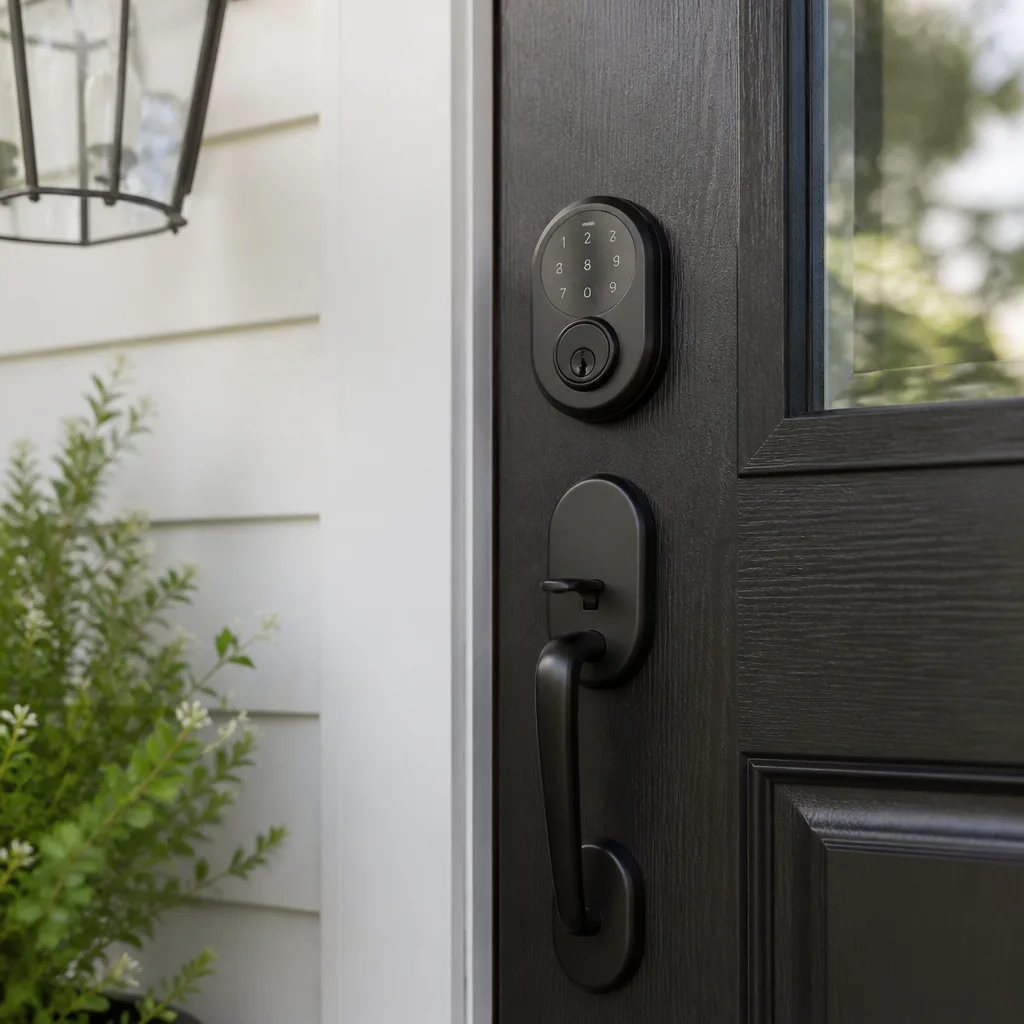 Smart locks
 House lockouts
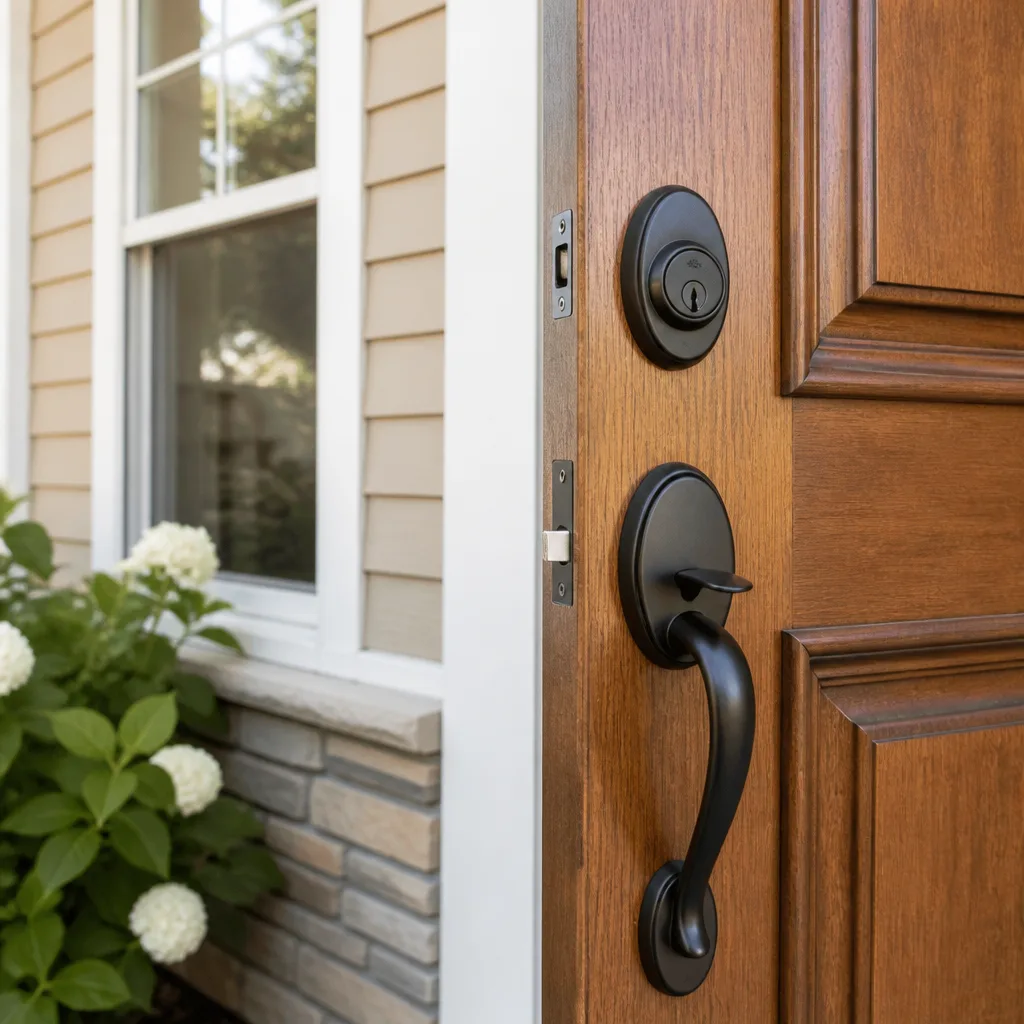
 Re-keying
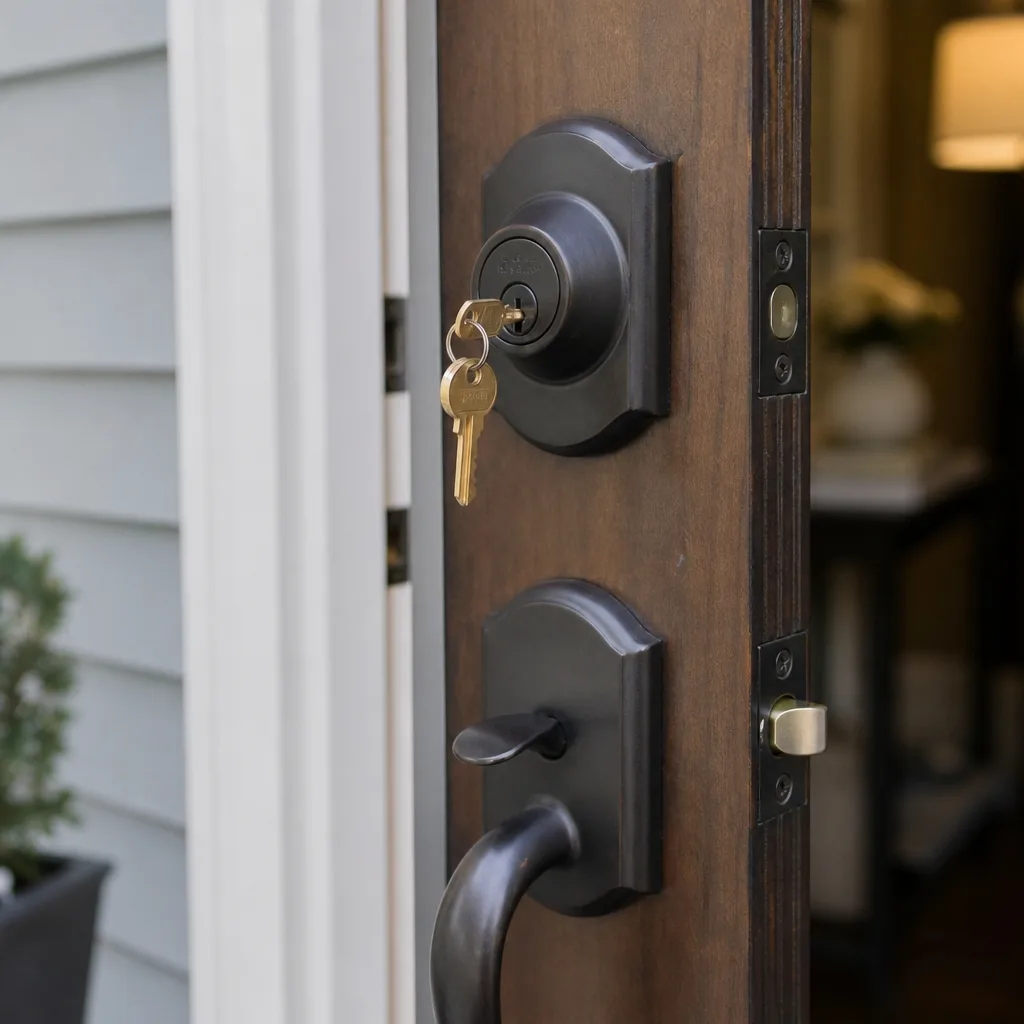
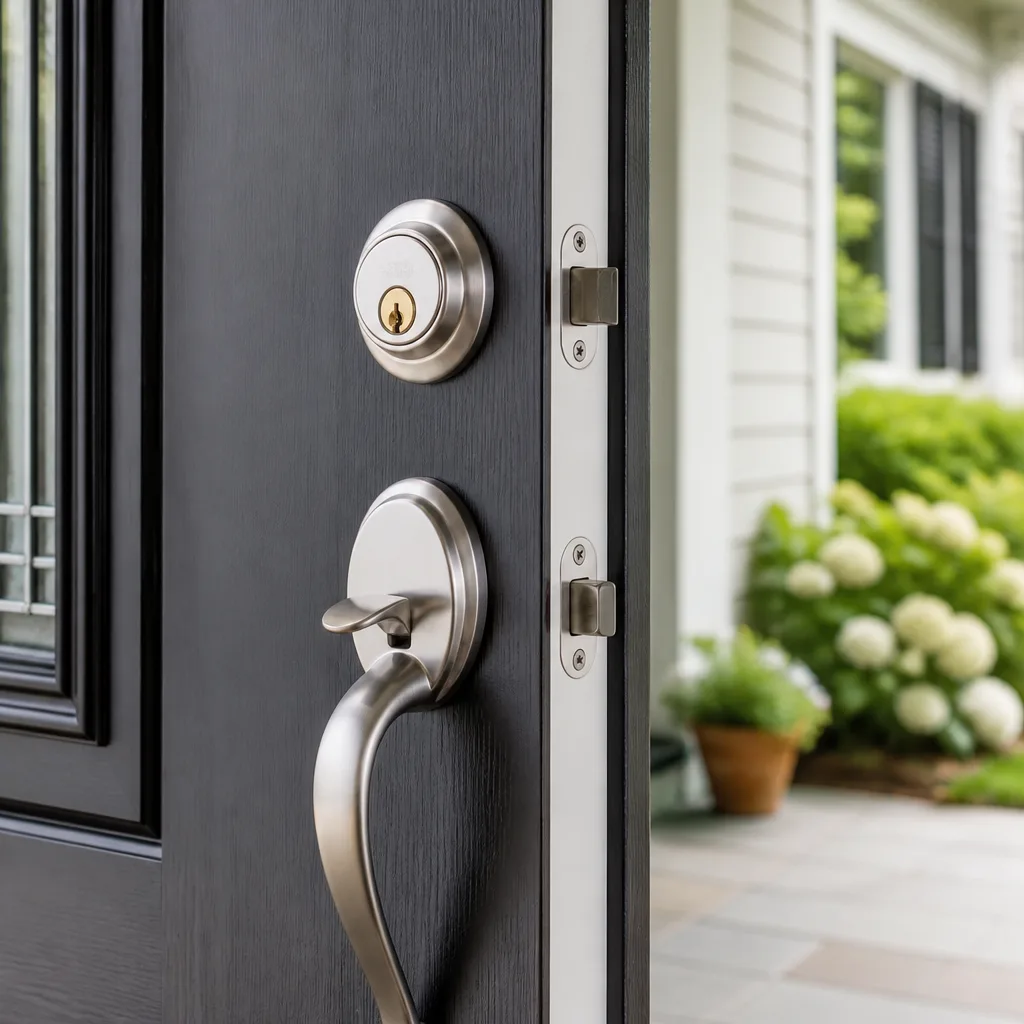 Deadbolt upgrades
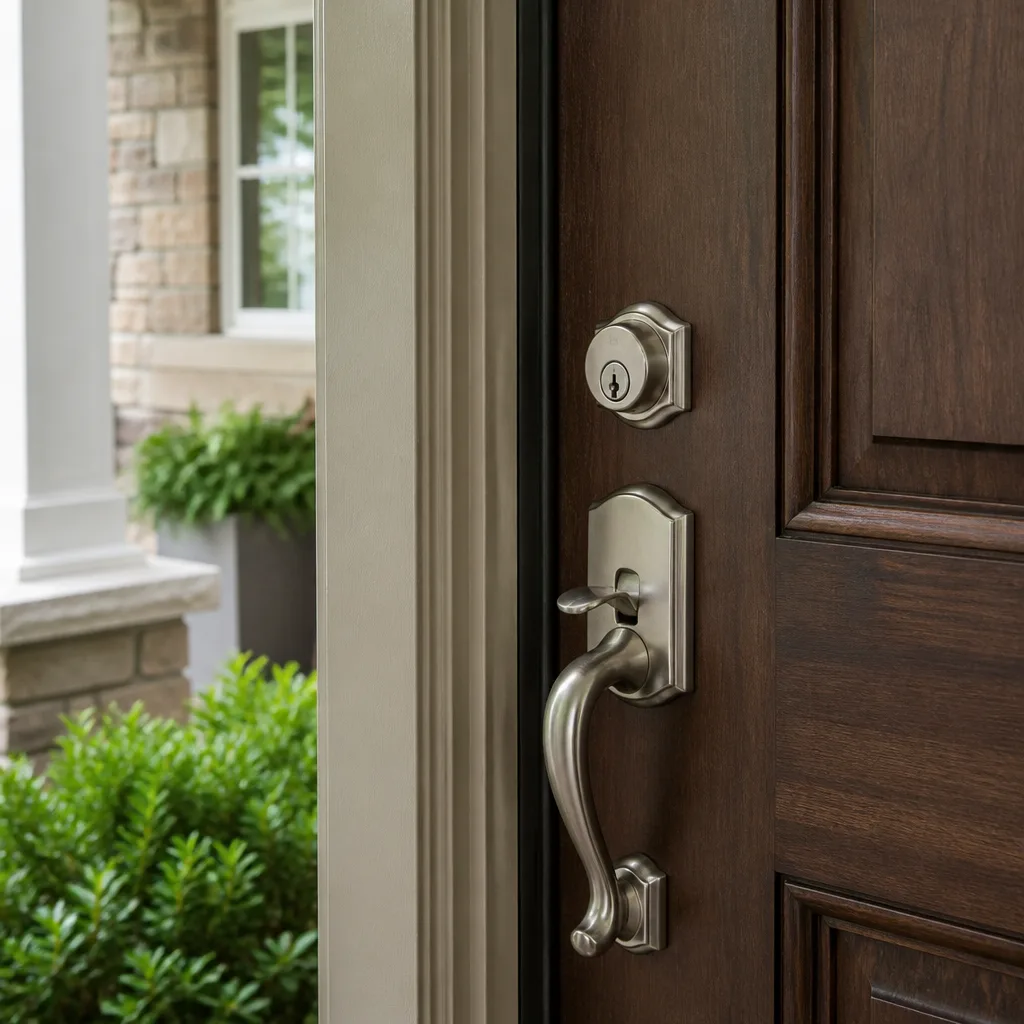 Schlage
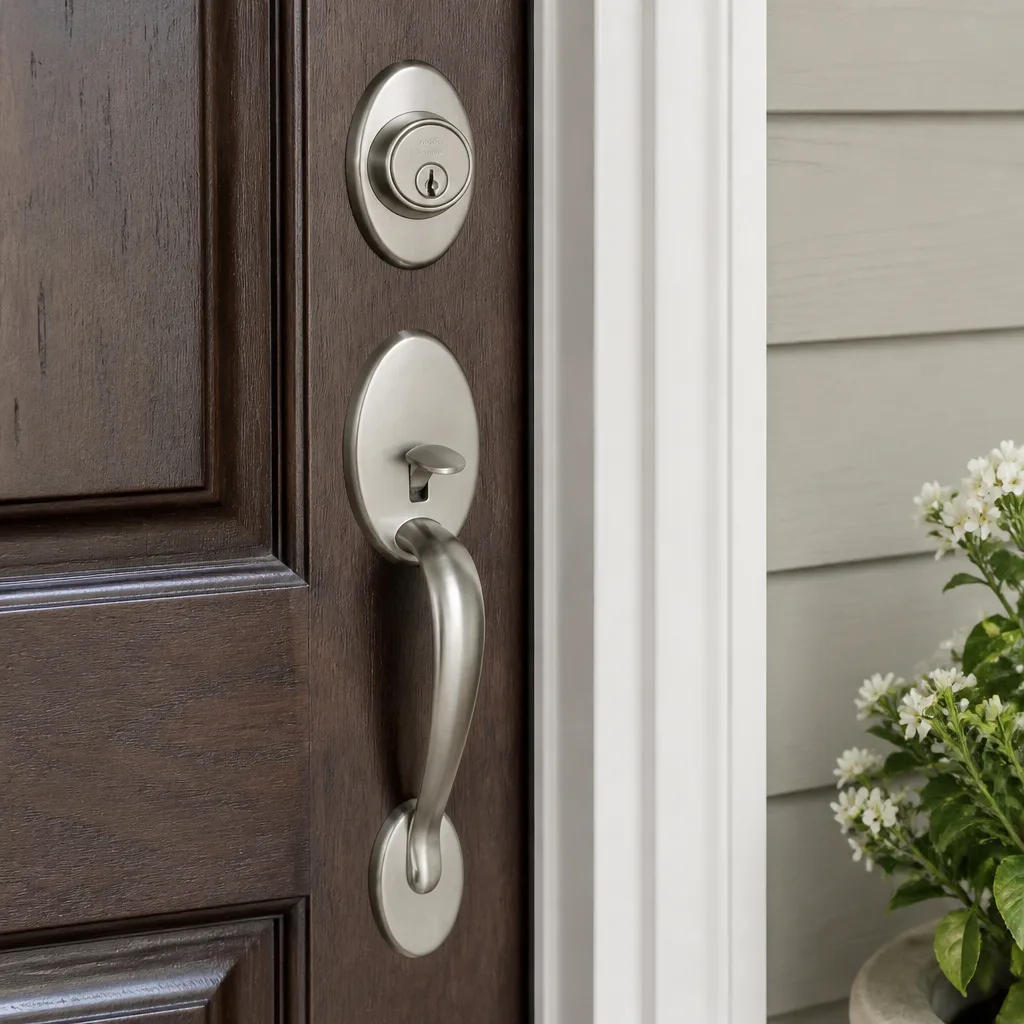 Kwikset
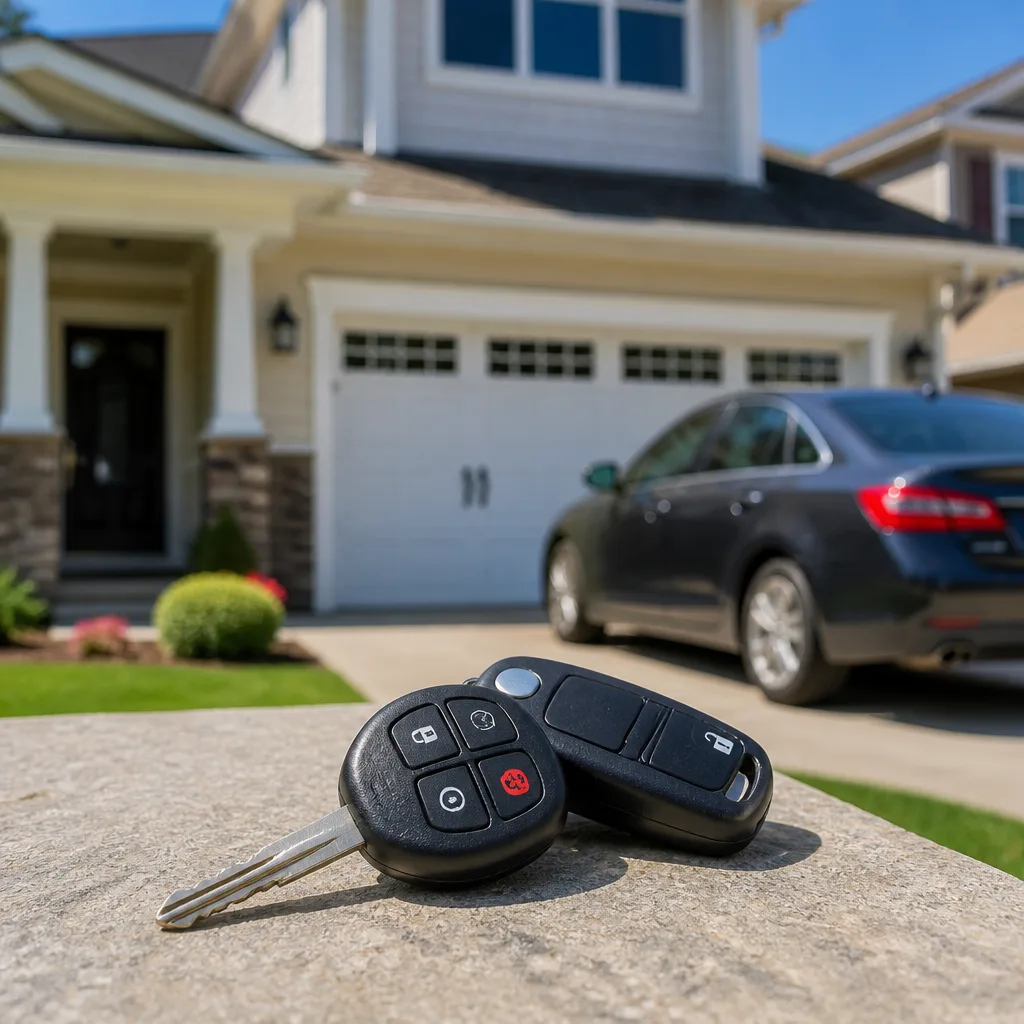 Car keys & fobs
Non-destructive entry first, always - and we re-key Schlage, Kwikset, and Baldwin locks on the spot while you watch
You get a price before we start. It does not change when we arrive. No surprises.
Get your free estimateHow to Hire a Locksmith Contractor in Chandler: A Step-by-Step Guide
Search “locksmith Chandler” and at least half the first-page results are national call centers that dispatch unlicensed subcontractors, a scam the FTC has documented repeatedly but Google’s local pack still surfaces daily. The person who shows up at your door may not be the company you called, and the quote they give you in your driveway will almost certainly not match the price on the final invoice. This guide gives Chandler residents a repeatable screening process—along with more guides & resources—that filters out bait-and-switch operators before they ever lay hands on your lock. You’ll learn how to verify a license in under five minutes, what to ask before dispatch, and how to protect yourself if a dispute arises later.
Styles & brands we work with
Quick Answer
To hire a locksmith contractor in Chandler, verify their Arizona Registrar of Contractors license for locksmith specifically (not a general handyman credential), get a written price quote over the phone before anyone is dispatched, confirm they have a verifiable local business address, and ask exactly which lock and key brands they service for the job you need. The full price quoted on the phone should be the exact price on your invoice, with no call-out surcharge added on arrival.
Table of Contents
- Why Chandler’s Locksmith Market Is Different
- Step 1: Verify the Arizona ROC License Before Anything Else
- Step 2: The Four Questions to Ask Before Any Locksmith Touches Your Lock
- Step 3: Red Flags Specific to Chandler Locksmith Listings
- Step 4: Cross-Reference Google, BBB, and the Attorney General’s Database in Five Minutes
- Step 5: What a Legitimate Service Call Receipt Must Include
- Step 6: Matching the Locksmith to the Job You Actually Need
- Common Mistakes to Avoid
- When to Call a Professional
- Frequently Asked Questions
- The Bottom Line
Why Chandler’s Locksmith Market Is Different
Chandler is a high-growth city with legacy citrus groves turned master-planned communities, and that mix of old and new housing stock creates a specific set of lock issues. Homes in the Cooper Commons and Fulton Ranch neighborhoods from the late 1990s and early 2000s often still carry the original builder-grade Kwikset or Schlage hardware, which wears differently in Arizona’s dry heat than it does in more humid climates. The brass pins and springs inside those cylinders collect fine desert dust, and we regularly see cylinders on homes near the Loop 202 that have seized up entirely after a decade of monsoon dust infiltration. The problem is that most national dispatch services don’t know any of this. They route your call to whoever is closest, and that technician may be driving in from Mesa or Gilbert with no familiarity with the hardware common to Chandler’s specific housing stock. When you work with a local shop like Thornton Lock & Key home, the technician who shows up has seen the exact lock issue you’re dealing with dozens of times before, because they’ve been servicing the same neighborhoods repeatly.
But the bigger complication is verification. Hiring a locksmith is not like hiring a plumber or an electrician. A bad plumber leaves you with a leak. A bad locksmith potentially leaves you with a lock that looks fine but is trivially easy to bypass, and you won’t know until someone is already inside your house. The stakes are higher, and the barriers to entry in the trade are lower. Anyone with a pick gun and a Google Ads budget can post a listing that says “Locksmith Chandler AZ” with a fake address. The screening process below is built to catch exactly that.
Step 1: Verify the Arizona ROC License Before Anything Else
This is the step everyone skips, and it is also the step that eliminates most of the dishonest operators in Chandler before they ever answer the phone. Arizona requires locksmiths to hold a license from the Arizona Registrar of Contractors. Not a handyman license. Not a general contractor license. The license classification matters, and it is the single most common point of confusion we see from customers who are trying to do the right thing and verify credentials.
A valid locksmith registration in Arizona falls under what the ROC calls a specialty license. Here is what to look for:
- Search the ROC’s online contractor database. Go to the Arizona Registrar of Contractors website and search by company name or individual name. If the business you’re considering does not appear, stop. Do not pass go. A locksmith operating in Chandler without an ROC license is not just sketchy, they’re breaking the law.
- Check the license classification. The license must specifically cover locksmith services. A general contracting license, a handyman license, or a low-voltage electrical license does not authorize locksmith work. This is where national dispatch services try to blur the line. They may list a parent company that holds some kind of ROC registration, but the actual technician at your door is not covered by it.
- Match the name on the license to the name on your invoice. The company that dispatches a technician must be the company whose license covers that technician’s work. If your invoice says “National Lock Service LLC” but the license belongs to “Bob’s Construction LLC,” that’s a red flag the size of a flagpole.
- Check the license status. Look for examples: active, suspended, revoked, or expired. Any status other than active is a reason to move on.
- Note the license number. A legitimate Chandler locksmith will have no hesitation giving you their ROC license number over the phone. If they stammer, hedge, or say they’ll “have the technician show you his credentials when he arrives,” that is not acceptable. You need this before dispatch, not at the door when you’re already in a vulnerable position.
One more thing worth stating plainly: a business license from the City of Chandler is not the same thing as an ROC license. A city business license means they paid a fee to operate in Chandler. It tells you nothing about whether they are qualified to drill out your deadbolt or cut your car key. The ROC license is the one that matters.
Step 2: The Four Questions to Ask Before Any Locksmith Touches Your Lock
Once you’ve confirmed the license, the next filter is a short phone call. You should be able to get through this entire list in under three minutes, and any legitimate operation will answer all four without friction. The point here is not to interrogate anyone. The point is to surface the businesses that are built on a model of “get a body to the door, quote high, and hope the customer is too stressed to say no.” That model depends on you not asking questions.
- “What is your total price for this job, including the service call?” The phrase “starting at” is a red flag. So is any variation of “we’ll give you a quote when the technician arrives.” A competent locksmith knows what a standard lockout, rekey, or car key replacement costs. The person on the phone should be able to give you a firm number with no vague ranges. This is also your invoice protection. Rekey locks work, for example, is a flat-rate job in most cases, across a typical Chandler home’s number of cylinders. A dispatcher who cannot quote it is not a dispatcher; they’re a salesperson.
- “What is your physical business address in Chandler?” A real business has a real address. A call center has a P.O. box or nothing at all. And importantly, the address should be a physical location in or near Chandler, not a mailbox store on the other side of the Valley. This question by itself filters out a meaningful percentage of national lead-gen operations.
- “Whose license number is this job covered under?” This reinforces everything from Step 1. You’re not just checking an ROC license exists. You’re checking that the specific company you’re talking to on the phone is the one whose license will cover the work.
- “Which lock brands do you service, and can you do this specific job on my specific lock or key?” This is the question that separates a real locksmith from a dispatch service that will send a technician to figure it out when he shows up. At Thornton Lock & Key, we work on the lock you actually have, which means being fluent in eight major lock brands: consumer-grade workhorses like Schlage, Kwikset, and Yale, all the way to premium high-security systems like Medeco, Mul-T-Lock, Abloy, and Sargent, plus Baldwin for the decorative residential lines that are more common in Chandler’s newer custom homes. If the person on the phone cannot tell you whether they work on Medeco or Mul-T-Lock at all, that’s not disqualifying for every job, but it tells you something about their depth. A real locksmith knows what the question means.
Step 3: Red Flags Specific to Chandler Locksmith Listings
Even with a good screening process, the listings themselves are where the deception starts. Some of these red flags are universal to the locksmith trade. Others are specific to Chandler because this city’s growth and demographic mix make it a target market for a particular flavor of bait-and-switch operator.
- A Google Business Profile address that doesn’t resolve to a physical building. Look up the address on Google Maps. If it’s a row of mailboxes at a UPS Store or a vacant lot near the San Tan Freeway, that listing is a lead-gen shell. Chandler is a spread-out city with industrial parks well separated from residential areas, so a legitimate locksmith may operate from a service yard that doesn’t look like a retail storefront from the street. Check satellite view to see what is actually there.
- Vague street addresses with no suite number. “1234 E Pecos Rd, Chandler” on a listing when the actual building has twelve units and no suite number in the profile is a classically generated listing. Genuine local businesses know their own suite number.
- Refusal to provide a local business phone. If the only contact is a toll-free number, you are calling a call center. There is nothing inherently wrong with a business having an 800 number, but your question should be whether there is also a local Chandler number behind it. A shop that is genuinely in Chandler will have one.
- Pricing given only as “starting at.” This is the universal tell. We’ve covered it above, but it bears repeating because it is the single most common scam pattern in the entire trade: advertise “$29 service call”, dispatch a technician, and then present the customer with a four-figure invoice for “necessary extra work.” The FTC has documented this pattern repeatedly across at least eight states, and the Arizona Attorney General has fielded similar complaints. No locksmith who quotes “starting at” rates is going to have “starting at” rates on the final invoice.
- Photos that don’t match a real operation. Stock photos of a generic technician with a tool belt, or a single photo of a key with a watermark. A real Chandler locksmith will have photos of an actual service van, an actual van wrap, maybe a bay in their shop. This isn’t an absolute test, but when paired with other red flags, it confirms the picture.
- No mention of Arizona-specific credentials. A listing that talks about “fully licensed and insured” without any reference to the ROC, any Arizona terminology, or any local context is probably generated by a template. It could be filling in the same text for Chandler as it would for Austin or Orlando.
Step 4: Cross-Reference Google, BBB, and the Attorney General’s Database in Five Minutes
You don’t need to become a private investigator to hire a locksmith in Chandler. You need a five-minute workflow that catches most bad actors. We’ve timed this. It works.
- Google Business Profile: 60 seconds. Search the company name plus “Chandler.” Look at the reviews. Three things to watch for: a large percentage of reviews that all use similar language (generated), a pattern of reviews from profiles with only one review ever left (purchased), and any replies from the business owner that are aggressive or dismissive (temperament). One or two weird reviews is normal. A pattern is a pattern.
- Better Business Bureau: 60 seconds. Go to BBB.org and search the business name. Pay attention to two numbers: the volume of complaints relative to the years in business, and whether complaints have been resolved or unresolved. A company with thirty years in business and one complaint is a different risk profile than a company with two years in business and one complaint. The BBB rating itself is less meaningful than the complaint history, because the rating algorithm is opaque and can be gamed. The complaint history is harder to fake.
- Arizona Attorney General’s Consumer Complaints database: 90 seconds. The AG’s office maintains a searchable database of consumer complaints filed in Arizona. Search the company name. Search the owner’s name if you know it. Some of the worst locksmith operations in the state have had complaints on file with the AG’s office for years while continuing to advertise on Google. This is the single most under-utilized verification tool in the entire Chandler market.
- Cross-check the business address: 60 seconds. Take the address from their website or Google profile and drop it into the Maricopa County Assessor’s parcel viewer. See who owns the property. See what kind of business is registered there. If the parcel is zoned residential and the business claims a commercial address, or if the parcel owner is a different company entirely that has no connection to the locksmith, that’s one more brick in the wall.
- Sanity check the phone number: 30 seconds. Search the number. If the same number appears attached to five other “locksmith” companies with different names across three different states, you’re dealing with a lead-gen network. A real Chandler locksmith’s number is attached to one company.
We’ve seen readers complete all five steps in under five minutes on a phone, from the parking lot of a closed office at 10 p.m. That’s the point. You don’t need a background check. You need a screening filter, and this is the filter.
Step 5: What a Legitimate Service Call Receipt Must Include
This is the most under-discussed piece of the entire locksmith-hiring process, and it’s the one that matters most if a dispute arises later. A legitimate receipt is not a handwritten carbon slip that says “Locksmith Service – $380.” That receipt will not protect you if you need to file a complaint with the ROC, the AG, or your credit card company.
A legitimate service call receipt in Chandler should include:
- The exact company name as registered with the Arizona ROC. Not a DBA or a marketing name. The ROC name. This is how you connect the work done to the license that covers it.
- The ROC license number. Printed on the invoice, not written in by the technician. If a company is proud of their license, it is on their paperwork by default.
- The service address. Not just “Chandler.” The actual street address where the work was performed.
- The date and time of service. Down to the minute if it’s an emergency locksmith call, because response time matters in a dispute.
- A line-item breakdown of the work. “Rekeyed 3 cylinders” or “Cut and programmed 1 transponder key” or “Lockout entry on front door.” Vague language like “Service performed” is not acceptable.
- A separate line for parts and labor. You want to see exactly what you paid for the physical lock, key, or cylinder, and exactly what you paid for the technician’s time.
- The total, clearly stated, with no additional charges below the total line. The price you were quoted on the phone should be the number on the invoice. Every time. No exceptions.
- A warranty statement, if applicable. For new hardware installations, rekey work, or newly cut keys, the receipt should state what is covered and for how long.
Keep the receipt. In Arizona, consumer protection claims related to contractor work can be filed with the ROC years after the fact in some cases, and the receipt is the document that establishes the relationship. Without it, it’s your word against theirs, and a receipt is a much better witness than memory.
Step 6: Matching the Locksmith to the Job You Actually Need
Not every locksmith does every job well. Some shops are essentially automotive specialists that do residential work on the side. Others are lockout specialists who don’t do much high-security work. You want to make sure the business you’re hiring is actually equipped for the specific problem you have. Here’s how to match the job to the right shop in Chandler.
Car Key Replacement
If you lost your only car key, a traditional locksmith can cut a mechanical key, but most vehicles on Chandler roads today use transponder chips or key fobs that need programming. You want a shop that does car key replacement directly, not one that will cut the blade and then send you to a dealership for the programming. That defeats the entire purpose of calling a locksmith. Ask: “Do you program chip keys and fobs in-house, or do you subcontract that?” A local shop that handles this directly can typically get you a working key same-day, often at a meaningfully lower price than a dealer. We handle car key replacement directly, no dealership markup or wait.
Rekeying After a Move or Security Concern
If you just closed on a house in Chandler and you don’t know who has copies of the old keys, rekeying is the smart move. It’s the same security outcome as replacing every lock, but the cylinders are reconfigured rather than replaced, which takes less time and costs less. The keys you hold are the only keys that work. A good locksmith will also check whether your existing hardware is worth keeping. Some builder-grade Kwikset cylinders from the mid-2000s are not worth rekeying, because the cylinder itself is so worn that new pins will not seat correctly. A shop that does rekey locks work regularly will tell you that openly rather than doing the rekey and letting you discover the problem in September when the monsoon dust has worked its way into the cylinder.
High-Security Hardware
If you are a property manager or a security-conscious homeowner looking at high-security cylinders, you need a shop that actually installs and services brands like Medeco, Mul-T-Lock, and Abloy. This is not entry-level work. High-security cylinders use different pin configurations, restricted key blanks, and often patented key control systems that prevent anyone except the dealer from duplicating keys. A generalist locksmith cannot touch this. You should ask directly: “Do you service Medeco or Mul-T-Lock cylinders?” If the answer is no, you need a different shop. If the answer is yes, ask how they handle key control and restricted blanks. We work on those systems regularly, and a real dealer will answer that question with specifics about serial numbers, card systems, and authorization requirements. For Baldwin and Yale hardware on higher-end Chandler homes, the question is more about finish matching and decorative trim than about key control, but the same principle applies. A shop that handles Baldwin regularly will know the product line. A shop that doesn’t will be reading the spec sheet off their phone.
Common Mistakes to Avoid
- Choosing the first listing on Google without vetting. The top of the search results is a paid advertising position or an SEO-optimized lead-gen site, not a endorsement of quality. We have seen Chandler residents call a top-listed number and get a dispatch center in another state. That first click is the most expensive click in the process.
- Accepting a “starting at” price as a real quote. “Starting at” is a floor, and in the locksmith trade, that floor usually has a trapdoor. A competent locksmith gives a firm phone quote for standard work.
- Letting the technician start work before you’ve confirmed the price in writing. Once the technician has partially completed the job, you are in a much weaker negotiating position. Get the number on paper, or at least in a text message, before any tools leave the van.
- Paying cash with no receipt. Cash payments are fine in principle, but a shop that insists on cash and offers no formal receipt is structuring its business to avoid accountability. In a dispute, you have nothing to file.
- Assuming a locksmith is the same as a security contractor. A locksmith handles locks. A security contractor might handle access control, cameras, or alarm systems. If you need something beyond locks, be clear about that upfront and make sure the person you’re calling actually does that work.
- Using a mailboxes-and-forwarding address as proof of locality. A Chandler ZIP code on a P.O. box does not make a company a Chandler business. The technician may still be fine, but the accountability chain is broken.
- Skipping the ROC lookup because it takes too long. It takes ninety seconds. The ROC database is online, mobile-friendly, and searchable by partial name. This is the single highest-leverage verification step in the entire process.
When to Call a Professional
Some jobs are fine to handle yourself. Replacing a doorknob with a screwdriver. Tightening a loose strike plate. Keying a padlock to match an existing Schlage cylinder if you have the pin kit and the patience. But there are situations where you should simply call someone who does this work daily. Major brand rekeying across multiple cylinders, installing or adjusting a high-security deadbolt from Medeco or Mul-T-Lock, extracting a broken key from a lock in a Chandler home where the cylinder is ten years old and full of dust. Replacing a car key with a transponder or fob on a European or late-model domestic vehicle. These are jobs where the cost of a mistake is higher than the cost of the service call. Thornton Lock & Key offers free estimates in Chandler, call (888) 455-7175, and we’ll tell you honestly over the phone whether the job is something a skilled local professional should handle.
Frequently Asked Questions
Search the Arizona Registrar of Contractors online database by company name or individual name, confirm the license classification specifically covers locksmith work, and verify the license status is active. The license number should match the name on your invoice exactly.
For full pricing context, see our Locksmith Cost Breakdown: The Chandler Homeowner’s Reference for 2026; briefly, a typical lockout in Chandler runs roughly $75 to $180 depending on the type of lock and the time of day, a standard rekey runs roughly $60 to $150 depending on cylinder count and hardware brand, and car key replacement runs roughly $150 to $400 depending on whether you need a basic key, a transponder key, or a fob with proximity programming. The price you are quoted on the phone should be the price on your invoice, with no call-out surcharge added on arrival. Call (888) 455-7175 for an exact quote, estimates are free.
It should be, and any locksmith who tells you otherwise on arrival is operating on a model you should walk away from. Confirm the total price including service call before dispatch, and confirm again in writing or via text before the technician starts work.
Most local Chandler locksmiths can reach any address within the city in 20 to 45 minutes, depending on traffic and where you are relative to the technician. Emergency service is available day or night, and the best shops will give you a realistic arrival window on the phone, not a meaningless “we’re on the way.” Call (888) 455-7175 for current response times in your area of Chandler.
Rekeying reconfigures the existing cylinder so it works with a new key, while the old keys stop working, and replacing swaps the entire hardware assembly. Rekeying is faster, costs less, and gives you the same security outcome unless the existing hardware is worn out or you want to upgrade to a different brand or style.
Some do and some don’t. High-security cylinders use patented key control and restricted key blanks that require dealer-level authorization, so not every locksmith can service them. Ask on the phone whether the shop services Medeco, Mul-T-Lock, or Abloy before scheduling, and a qualified shop will answer with specifics about key control and serial numbering.
The Bottom Line
Hiring a locksmith in Chandler is a process, not a panic. The national lead-gen operations that litter the top of Google results count on you being too stressed or too rushed to check credentials. The fix is a four-step filter that takes less than five minutes: verify the ROC license and classification, ask the four questions that separate real shops from dispatch services, cross-check Google, BBB, and the AG’s complaint database, and get a written price before work starts. A legitimate Chandler locksmith clears all of these without friction. If you have a lock or key issue right now, call Thornton Lock & Key at (888) 455-7175. We work on the lock you actually have, from Kwikset and Schlage to Medeco and Mul-T-Lock, and the price we quote on the phone is the price on your invoice.
Written by the team at Thornton Lock & Key, serving Chandler since 2018.