
Last updated October 31, 2026
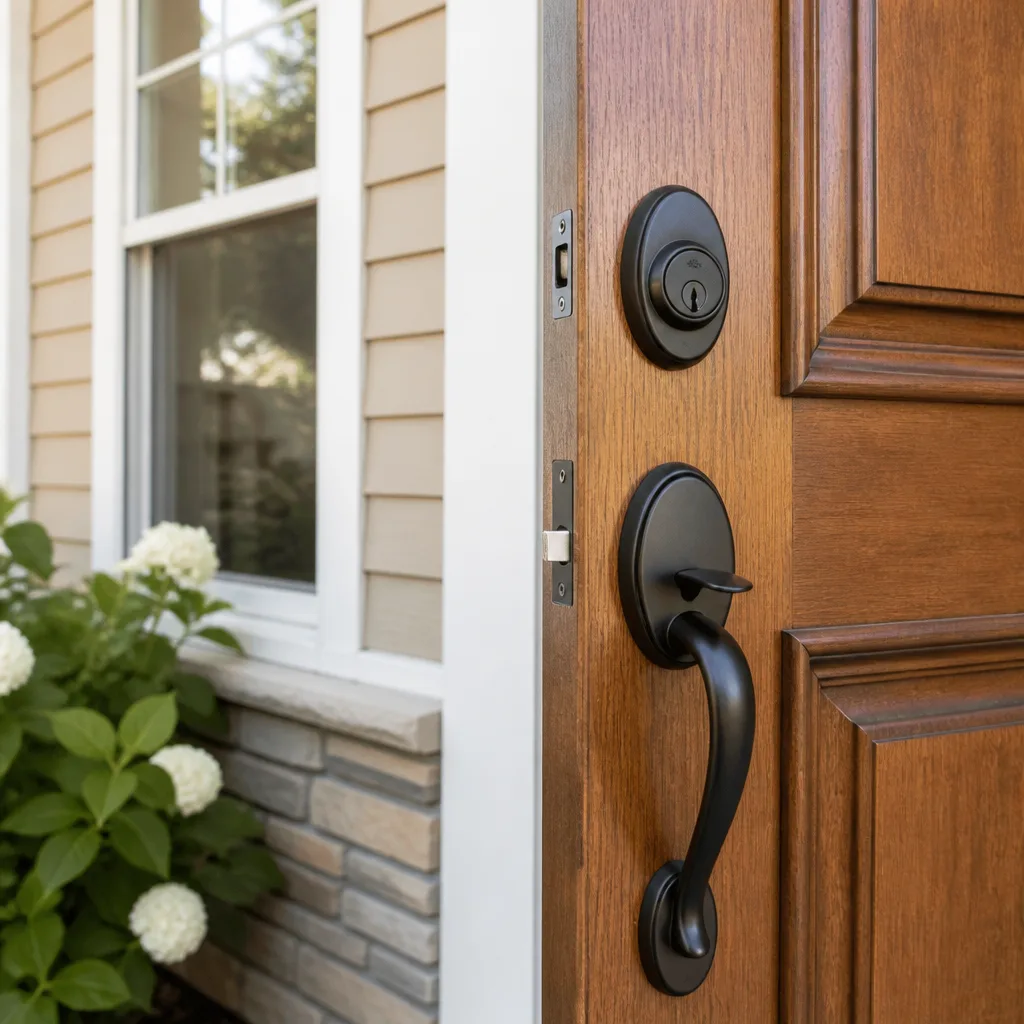 House lockouts
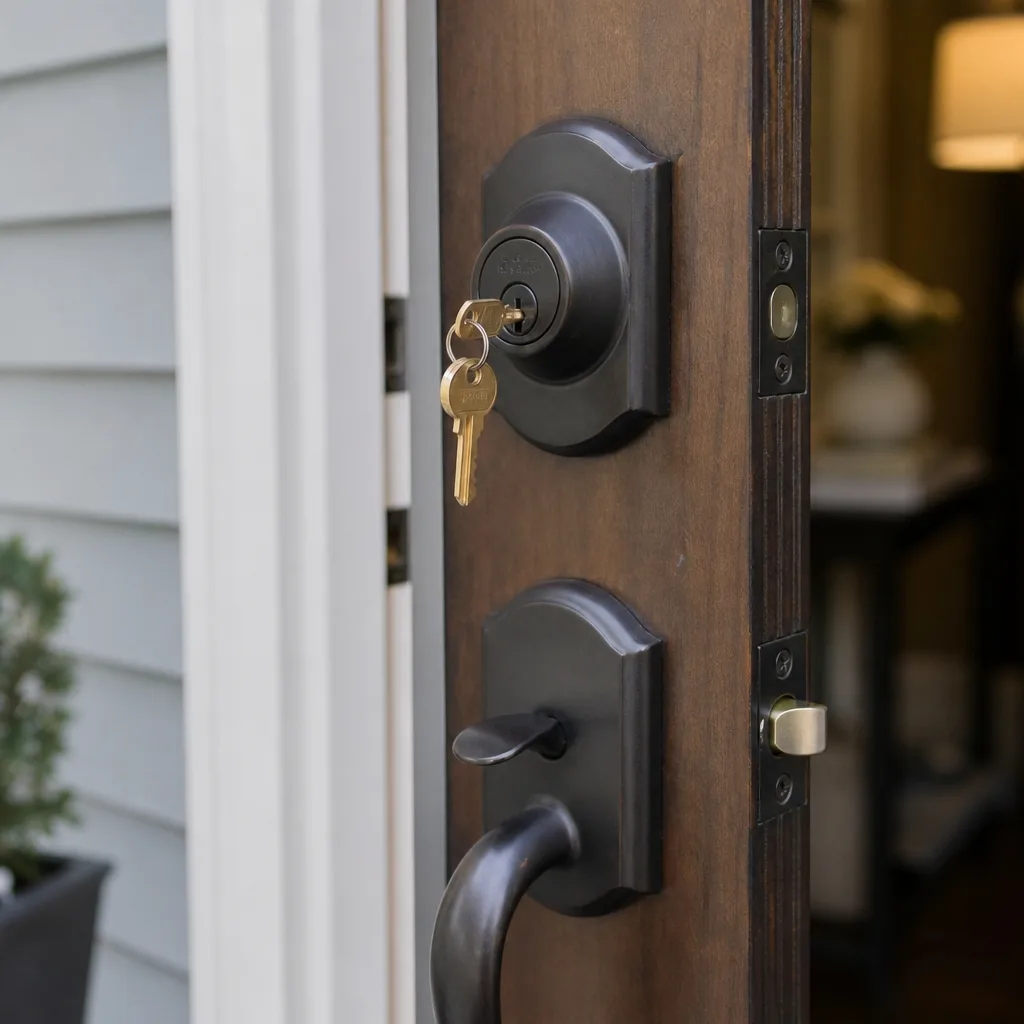 Re-keying
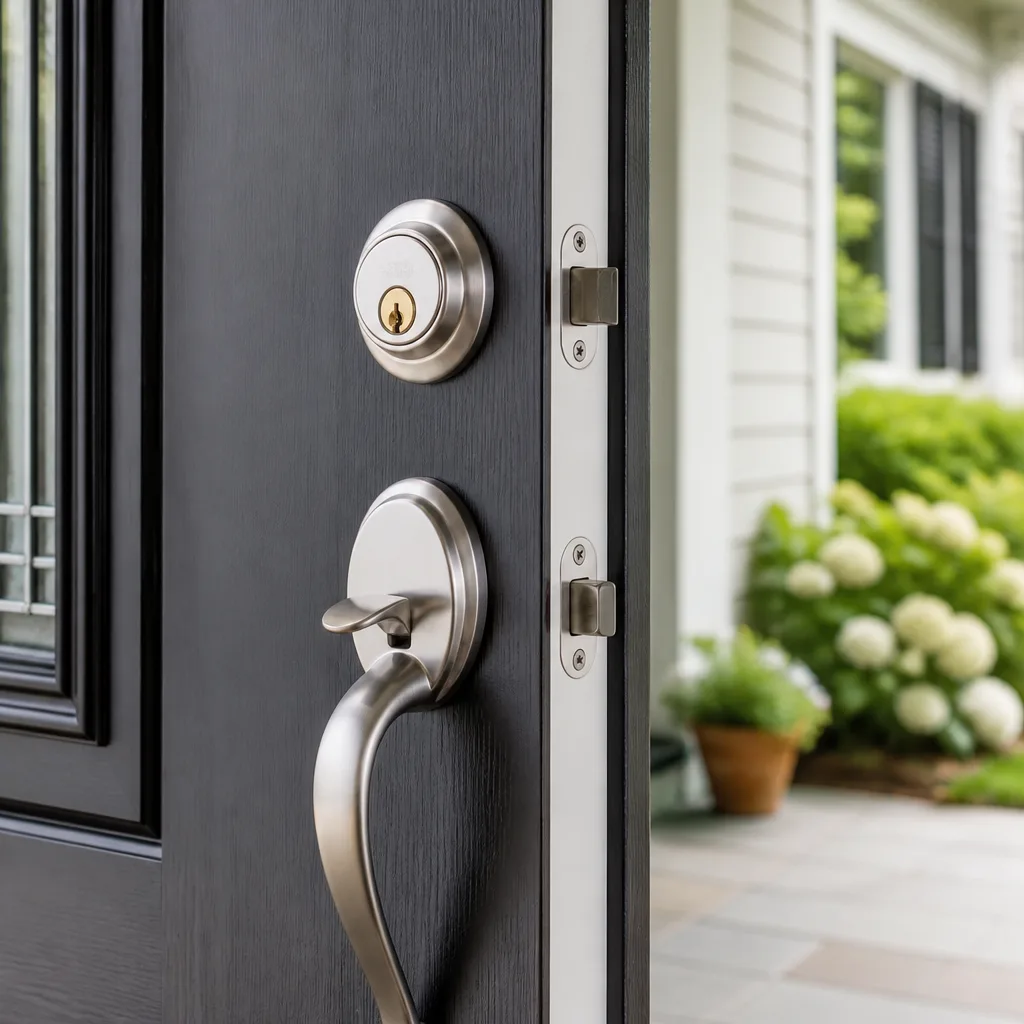 Deadbolt upgrades
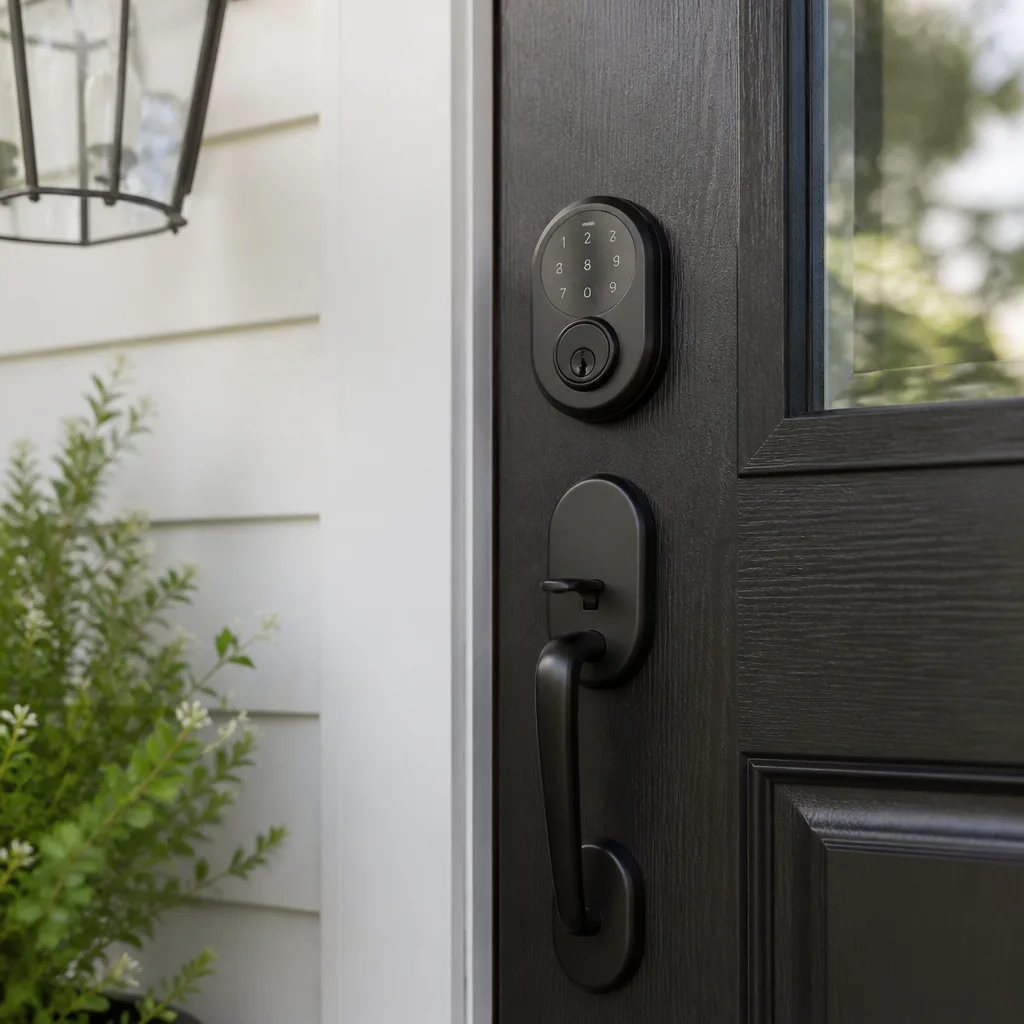 Smart locks
 Schlage
 Kwikset
 Car keys & fobs
Non-destructive entry first, always - and we re-key Schlage, Kwikset, and Baldwin locks on the spot while you watch
You get a price before we start. It does not change when we arrive. No surprises.
Get your free estimateCar Key Replacement Maintenance Checklist for Chandler Homeowners
Chandler’s summer heat, routinely pushing past 110°F inside a parked car, does more than crack your dashboard. It silently cooks the electronics inside your key fob, weakening the transponder chip and draining the battery years before it would fail in a milder climate. Almost no one thinks about key maintenance until they’re standing in a parking lot at noon in July, staring at a car that won’t start. This guide gives you a practical, season-by-season checklist for keeping your car keys healthy in Maricopa County, and what to know about replacement costs before an emergency forces your hand. For more guides & resources, visit our blog. We’ll cover fob batteries, transponder signal strength, key blade wear, dealer versus locksmith pricing, and the push-button start trap that catches more Chandler drivers than you’d expect.
Styles & brands we work with
Quick Answer
The short version: Car Key Replacement in Chandler is a maintenance task, not just an emergency reaction. Heat stress means you should replace your key fob battery every 12 to 18 months, test your spare key’s transponder signal at least twice a year, and document your VIN and key code before you need them. In most cases, a locksmith can replace and program a car key for $150 to $400, which is usually $100 to $300 less than the dealership charges for the same work.
Table of Contents
- Why Chandler Heat Kills Key Fobs Faster
- The Annual Car Key Maintenance Checklist
- Document Before You’re Stranded: VIN, Key Code, and Transponder Type
- The Push-Button Start Trap: When a Spare Isn’t Actually a Spare
- What Car Key Replacement Actually Costs in Chandler: Dealer vs. Locksmith
- The 30-Day Used Vehicle Key Audit
- Common Mistakes to Avoid
- When to Call a Professional
- Frequently Asked Questions
- The Bottom Line
Why Chandler Heat Kills Key Fobs Faster
When a car sits in a Chandler parking lot in August, the interior temperature climbs to 140°F or higher within an hour. That ambient heat does not stay ambient. It soaks into every component in the cabin, including the key fob sitting in the cup holder. Two things suffer most: the lithium coin cell battery and the transponder chip’s solder joints. The battery’s chemistry degrades faster at sustained high temperatures, which is why a fob battery that might last three years in Minneapolis dies in 14 to 18 months here. The transponder chip itself is more durable, but repeated thermal cycling, heating to 140°F then cooling to 75°F in a climate-controlled house, stresses the tiny solder connections over time. We’ve seen fobs in Ahwatukee and Sun Lakes fail intermittently after two or three Chandler summers, starting with a signal that only works when the fob is inches from the ignition button.
The practical takeaway is simple: treat your car key’s battery as a consumable, like windshield wipers or cabin air filters, not a permanent part that only gets attention when it dies. The failure is never convenient. It happens at the gas station on Arizona Avenue, in the Fry’s parking lot on Ray Road, or outside your office in the Chandler Pavilions. A 10-minute battery swap once a year costs far less than an emergency call, especially if the fob failure cascades into a situation where the car no longer recognizes the key at all.
Signs of Heat-Stressed Key Fob
- You have to press the unlock button two or three times before the car responds.
- The keyless entry works from only 10 feet away instead of the usual 30 to 50 feet.
- Push-button start requires holding the fob directly against the start button, sometimes with a “Key Not Detected” warning first.
- The remote lock chirp sounds weak or doesn’t sound at all.
- You replaced the fob battery six months ago and the same symptoms are already back; that suggests chip degradation, not just a dead battery.
Chandler homeowners often ask us whether keeping a spare key in the garage protects it from heat. It helps, but a garage in central Chandler still hits 100°F plus in summer. The best storage is inside the air-conditioned house, away from direct sun coming through a window. If you park outside, never leave the fob on the dashboard. That’s the hottest surface in the vehicle and it will cook the battery faster than anywhere else in the car.
The Annual Car Key Maintenance Checklist
Here’s a maintenance schedule you can run in 20 minutes, ideally every October as the brutal season winds down and again in April before summer starts. We’re writing this as steps, not suggestions, because every one of them is something we’ve had to fix for a Chandler driver who skipped it.
Step 1: Replace the Fob Battery
Do this every 12 months even if the fob still works. The battery types are nearly universal: CR2032 for most modern fobs, CR2025 in some slim cases. You can find both at any Chandler hardware store for under $4. Slide the case open with a small flathead screwdriver, note the battery orientation, swap it, and snap it shut. If your fob uses a sealed or soldered battery, which some older European models do, give us a call at (888) 455-7175 and we’ll handle it without risking the circuit board. The key here is prevention. A fob that works but is running on a depleted battery is a fob that will fail at the worst possible time.
Step 2: Test the Spare Key’s Transponder Signal
A key that sits in a drawer for two years is not necessarily a working key. Transponder chips are passive, they don’t need battery power to be read by the car, but the chip can still fail or lose programming. Once a year, take your spare key out and start the car with it. If the car cranks, you’re good. If the car cranks but doesn’t start, the chip’s programming has failed or the key was never programmed in the first place. This is a $75 to $150 fix at a locksmith, and discovering it in your driveway is dramatically better than discovering it after your main key breaks off in a lock in Tempe.
Step 3: Inspect the Physical Key Blade
Even keys that are never inserted into an ignition still have a metal blade for the driver’s door and, on many vehicles, a hidden keyhole behind a cover on the door handle. That blade wears down over time, especially if it’s used in a gritty outdoor lock. Run your thumb along the cuts in the blade. If the edges feel rounded rather than crisp, or the key wobbles in the lock, you’re due for a new copy cut from code, not copied from the worn key. Copying a worn key just reproduces the wear.
Step 4: Clean the Key Fob Housing
Arizona dust gets everywhere. That fine grit works its way between the fob buttons and the rubber membrane, eventually jamming a button or damaging the contact underneath. Use a dry toothbrush and a puff of compressed air around the button seams. Do not use liquid cleaner, which can wick into the circuit board and corrode it. While you’re at it, check the rubber buttons themselves. If they’re cracked or stiff, the fob case is failing and it’s time for a replacement shell before the electronics get exposed to Chandler’s dry, dusty air.
Step 5: Verify Your Key Code Documentation
Your owner’s manual or the small metal tag that came with the keys has a key code, a series of letters and numbers used to cut a new key by code instead of by copying. Most Chandler drivers lose that tag within a year of buying the car. If you have it, photograph it and store the photo in your phone and in cloud storage. If you don’t have it, a locksmith can usually pull the code from the VIN with proof of ownership, but it takes longer than having the code ready. More on documenting your VIN and key code in the next section.
If all five steps pass, your key system is healthy. If any one of them fails, resolve it now, not in July. The phone number for Thornton Lock & Key home is (888) 455-7175 and we’re happy to walk you through what you’re seeing before you spend a dollar.
Document Before You’re Stranded: VIN, Key Code, and Transponder Type
The difference between a 30-minute key replacement and a three-hour ordeal is documentation. When a Chandler driver loses their only key, they’re already stressed. They’re also usually standing in a parking lot with no access to the glovebox, no owner’s manual, and no idea what kind of transponder their car uses. That’s a solvable problem, but it’s solvable faster if you have three pieces of information stored on your phone right now.
Your VIN, vehicle identification number, is the 17-character code visible through the windshield on the driver’s side dashboard. Photograph it today. The VIN tells a locksmith the year, make, model, and often the specific key system your car uses. Without it, we can still identify the vehicle, but we’re working from a description, and “silver Toyota” is not precise enough to guarantee the right key blank.
Your key code is the manufacturer’s blueprint for your specific key’s cuts. It’s sometimes printed on a small metal or plastic tag that came with the keys, sometimes recorded in the owner’s manual, and occasionally stamped on the key itself. If you have it, photograph it and store it with your VIN photo. The key code allows a locksmith to cut a fresh key from code, which produces a key that’s as crisp as the day the car left the factory. Copying a ten-year-old worn key produces a key with the same wear, and it will feel sloppy in the lock from day one.
Your transponder type is the key system your car uses to authenticate the key. Most vehicles from the mid-1990s onward have a chip embedded in the plastic head of the key or inside the fob. Different systems require different programming equipment. A Ford PATS system, a Chrysler Sentry Key, a GM Passlock, these all program differently. Knowing your vehicle’s transponder type isn’t something we expect you to identify yourself. But knowing your year, make, and model, and having your VIN, lets us identify it in about two minutes on the phone, before you even tow the car anywhere.
Here’s the ten-minute documentation routine we recommend for every Chandler homeowner:
- Photograph your VIN through the windshield. Make sure the photo is legible, not taken at an angle with glare washing it out.
- Photograph both sides of your key and your key fob, close enough to read any engraved numbers or letters. These photos help us identify the key blank which is exactly.
- Note your vehicle’s year, make, model, and trim level in the same folder on your phone. A 2018 Toyota Camry LE and a 2018 Toyota Camry XSE can use different key systems.
- If you have the key code tag or the owner’s manual with a key code noted, photograph that too.
- Store the photos in a folder that’s backed up to the cloud, not just saved on the phone that might be locked inside the car.
Five photographs take ten minutes. They save at least an hour in an emergency and they can be the difference between getting a key made on the spot and needing a tow. If you lose your only key and the car is locked, documentation also helps prevent a locksmith from cutting the wrong key blank or programming the wrong transponder, which wastes your time and money.
The Push-Button Start Trap: When a Spare Isn’t Actually a Spare
This is the most common misjudgment we see from Chandler drivers. They buy a used car with push-button start. The seller hands over two fobs. The driver feels secure. Then one fob dies, they grab the second fob, and the car starts, but all is not well. Because that second fob is often an unprogrammed blank, a cheap aftermarket shell with no functioning transponder, or a fob that was programmed to a different car of the same model and never reprogrammed. The seller didn’t even know. The car started for them with the first fob, so they never tested the second. Now the new owner has one working key and a plastic paperweight.
Here’s the trap in a sentence: a physical spare key is not a spare unless it has been tested to start the car, not just unlock the door, and not just fit in the ignition. This matters even more with push-button start because there’s no physical key turn to give you feedback. The car either recognizes the fob or it doesn’t, and if it doesn’t, there’s no way to fiddle with it until it works. You’re stuck.
We’ve also seen the reverse scenario, where a driver has two working fobs but loses one, and the remaining fob works fine. They assume they’re fine with one key. Then they drop that one key somewhere in the Chandler Fashion Center parking structure and suddenly they have zero keys. A push-button start car with zero keys usually requires a tow, because the car cannot be started without a programmed fob. A car with an old-fashioned metal key can often be rekeyed on the spot. The push-button system is less forgiving. The lesson is not that push-button start is bad. It’s that push-button start makes the spare key a critical piece of safety equipment, not a nice-to-have, and it needs to be tested and maintained like any other safety equipment.
If you’re in this situation, a used car with a push-button start and a questionable second fob, give us a call at (888) 455-7175. We can test the fob’s programming, and if it’s a blank or programmed wrong, we can usually program a working fob for significantly less than the dealership would charge. The same applies if you have a key that fits the door but won’t start the car. The physical blade and the transponder chip are two separate things, and one can work while the other fails.
For more on car key capabilities in the area, see our page on Car Key Replacement in Rio Verde, which covers transponder and fob-key replacement for drivers across the East Valley.
What Car Key Replacement Actually Costs in Chandler: Dealer vs. Locksmith
Let’s put real numbers on it. We hear from Chandler drivers every week who got a quote from a dealership and wanted a second opinion. Here’s what we’ve seen in the local market for the ten most common vehicles registered in Maricopa County, which are overwhelmingly Toyota, Honda, Ford, Chevrolet, Nissan, Hyundai, Kia, Jeep, Subaru, and Ram models. The prices below reflect typical automotive locksmith rates in the Chandler area, not dealership service department rates, which run consistently higher and often require towing the car in.
Typical Car Key Replacement Costs in Chandler
| Key Type | Locksmith Range (Chandler) | Dealership Typical Range |
|---|---|---|
| Basic metal key, no chip (pre-1995 vehicles or older fleet cars) | $15 to $40 | $50 to $100 |
| Transponder key, chip in plastic head, no remote buttons | $75 to $150 | $150 to $250 |
| Remote head key, chip plus lock/unlock/trunk buttons | $125 to $250 | $200 to $350 |
| Smart key fob, push-button start proximity | $200 to $400 | $350 to $600 |
| Key fob battery replacement only | $10 to $25 including battery | $50 to $100 often as a service fee |
Those are honest ranges for Chandler. The single biggest variable is the vehicle’s year and model. A 2018 Toyota Corolla key is a quarter of the cost of a 2023 BMW X5 key because the BMW uses a more sophisticated encrypted system and a more expensive blank. But within any given vehicle, the dealership is almost always $100 to $300 more expensive for the same result, and the dealership rarely comes to you. A dealership also tends to require the vehicle to be towed to their service bay if all keys are lost, which adds another $75 to $150 in towing. An automotive locksmith comes to your location, whether that’s your driveway in Ocotillo, the office park at Chandler Airport, or a trailhead parking lot near South Mountain.
The price you’re quoted on the phone is the price on the invoice. That’s worth stating plainly because the automotive locksmith trade has a documented bait-pricing problem. Some operators advertise a $19 car key, then arrive and inflate the price with fees for programming, mileage, after-hours, or “complexity.” We don’t do that. When you call (888) 455-7175, we quote the full price for your specific vehicle before anyone is dispatched, and there’s no separate call-out surcharge added on arrival. If you need a car key replaced at 10 p.m. on a Tuesday, the price you hear on the phone is what you’ll pay, period.
For emergency lock scenarios, our Emergency Locksmith in Rio Verde page walks through what to expect, including response time and what information to have ready when you call.
The 30-Day Used Vehicle Key Audit
When you buy a used car in Chandler, whether it’s from a dealership on Gilbert Road or a private seller in the Dobson Ranch area, you inherit unknown key history. The previous owner might have kept a spare fob. A family member might have a key. A valet key might be floating around. None of that is a problem if you take action in the first month. Here’s the 30-day audit we recommend for every used vehicle purchase.
First, count the keys you received. Most used cars come with one or two keys. If you got one, you already know you need a second. If you got two, test both of them to start the car, not just unlock it, as covered in the push-button start section. A key that unlocks the door but won’t start the car is a door key, not a car key. Second, examine any key tags, valet keys, or key code documentation that came with the car. The valet key often works the doors and ignition but not the glovebox or trunk. That’s a useful thing to know exists, and it’s a key that likely fits your car but may not be accounted for.
Third, and this is the step most Chandler drivers skip, consider rekeying or reprogramming the car so any unaccounted keys no longer work. For vehicles with traditional metal keys and no transponder, this means physically rekeying the door and ignition cylinders. For vehicles with transponder keys, this means clearing all existing keys from the car’s memory and programming only the keys you hold. This process is called key clearing or transponder reset, and it’s a standard automotive locksmith service. Once the system is reset and only your keys are programmed, a previous owner’s lost key becomes no different than a random piece of metal they found in the couch. It will not start your car.
Fourth, check that the key fob’s panic alarm and remote features work. If the fob unlocks the car but the panic button does nothing, the fob may have water damage or a failing button, and it’s likely to degrade further. Chandler’s heat only accelerates that. If the fob is already questionable in the first month, replace it now while you have the seller’s information and possibly recourse, not in six months when the sale is a distant memory.
Finally, write down the VIN and key code in the same running document as your other car maintenance records. This is the documentation step from earlier, and it’s even more important on a used car because you don’t have the original dealer’s records from the day the car was new. A used car often arrives without its original key code tag, which makes the VIN photo your primary tool for future key replacement.
If any part of this audit turns up a problem, a Rekey Locks in Rio Verde service can apply to automotive locks as well as home locks. The process for a car is different, it’s usually called reprogramming or key clearing, but the goal is the same: know exactly which keys work and make sure no unknown keys do.
Common Mistakes to Avoid
- Waiting until the fob dies to replace the battery. A heat-stressed Chandler fob gives subtle warnings for weeks before it fails completely: weak range, intermittent response, the “Key Not Detected” message. Replacing the battery when those warnings appear takes ten minutes and costs under $5. Replacing a fully dead fob that failed at a gas station on Ray Road takes longer and costs more, especially after hours.
- Assuming the dealership is the only option. Many Chandler drivers still believe car key replacement requires a dealership visit. It doesn’t. An automotive locksmith can cut and program virtually every transponder key and smart fob on the road today, and they come to you. The dealership requires an appointment and often a tow.
- Copying a worn key instead of cutting from code. If your key is ten years old and used daily, copying it produces a copy of wear, not a new key. The copy will feel sloppy immediately and may wear out the lock cylinder faster. Cutting from the key code produces a factory-fresh key every time.
- Storing the spare key on a hook in the garage. A Chandler garage reaches 100°F to 110°F in the summer. That’s cooler than a parked car, but it’s still hot enough to degrade a fob battery over time. Store spare keys inside the air-conditioned house.
- Buying an aftermarket fob online and expecting it to program itself. Some fobs can be self-programmed with an onboard procedure, but many require professional diagnostic equipment. We’ve seen drivers buy a $25 fob online, spend two hours trying to program it, and then call us anyway. The cheap fob often won’t communicate with the car at all, which can slow down the eventual professional programming.
- Ignoring the valet key. If your used car came with a valet key that you’ve never used, you have an unaccounted key that can open your doors. That’s a security consideration, not just a maintenance item. Include the valet key in your key audit and reprogram the car if you can’t account for all keys.
When to Call a Professional
Some key maintenance you can do yourself, like a fob battery swap or a visual inspection of the key blade. Some situations call for a professional, and recognizing the difference saves you time and money. Call a locksmith if your key turns in the ignition but the car won’t start, which indicates a transponder or programming failure that requires diagnostic equipment to diagnose and repair. Call a locksmith if the key has broken off in the lock or ignition, if the fob case is cracked with exposed circuit board, or if you’ve lost all working keys. Call a locksmith for any key clearing or reprogramming issue, because the equipment required to access a car’s security system is specialized and using it incorrectly can leave the car immobilized.
Thornton Lock & Key offers free estimates in Chandler. Call (888) 455-7175 with your vehicle’s year, make, and model, and we’ll give you an honest price over the phone before anyone is dispatched. If you’re not sure whether your situation needs a locksmith, call anyway. We’ll tell you if it’s something you can handle yourself, and we’ll be straight with you either way. We work on eight major lock brands from Schlage and Kwikset to Medeco, Mul-T-Lock, and Abloy, and that breadth of experience carries over into automotive work, where the same principles apply: read the system, find the failure, fix it correctly. Read our guide on Choosing the Right Locksmith Brand: A Buyer’s Guide for Chandler to learn more.
Frequently Asked Questions
Car key replacement in Chandler typically costs $75 to $400 depending on your vehicle’s key type. A basic transponder key without remote buttons runs $75 to $150, a remote head key with lock and unlock functions runs $125 to $250, and a smart key fob for push-button start runs $200 to $400. The dealership is usually $100 to $300 more for the same work. Call (888) 455-7175 with your vehicle’s year, make, and model, and we’ll give you an exact quote over the phone, free of charge.
Yes. The price we quote on the phone is the price on your invoice. There’s no call-out surcharge added when we arrive, no programming fee buried in the fine print, and no “complexity” adjustment after the work is done. If your vehicle information changes the scope, we’ll tell you before we start, not after. This is how we operate specifically because Chandler drivers have been burned by bait-pricing operators who advertise one price and charge another.
In most cases, we can cut and program a replacement car key in 30 to 60 minutes after arrival. The process involves cutting the new key blade, programming the transponder chip to your car’s immobilizer, and testing the result. For push-button start vehicles with all keys lost, the process can take longer and may require towing if the car is not at a location we can access. We’ll give you a realistic timeframe on the phone before we dispatch.
Yes. A car key fob can be replaced without the original by programming a new fob to your vehicle’s receiver. The process requires access to the car and, in most cases, proof of ownership like a registration or insurance card matching your ID. For many vehicles, all keys are lost, we can still create a new key and program it, though the process requires connecting diagnostic equipment to the car’s OBD port and may take longer than a standard duplicate.
In Chandler, we recommend replacing your key fob battery every 12 to 18 months, compared to the two to three years that might work in a cooler climate. The sustained interior heat of a parked car in the Sonoran summer degrades the lithium coin cell battery faster, and the failure symptoms appear weeks before full failure. A $4 battery replaced on a schedule prevents a $200 emergency fob replacement.
For most Chandler drivers, a locksmith is faster and less expensive. A dealership usually requires an appointment, often requires the vehicle to be towed in if all keys are lost, and charges $100 to $300 more for identical work. An automotive locksmith comes to your location, quotes the full price upfront, and completes most replacements in under an hour. You can skip the dealership unless your vehicle is under warranty that specifically covers key replacement, which is rare.
The Bottom Line
Car key replacement in Chandler is a maintenance discipline, not a single emergency event. The heat stress of the Sonoran Desert means your key fob battery and transponder chip need attention on a calendar, not when they fail. Document your VIN and key code in the next ten minutes. Test your spare key’s actual function, not just its existence, twice a year. Replace the fob battery annually. If you buy a used car, run the 30-day key audit before the paperwork cools. And when you need a key replaced, know that you don’t have to call the dealership and you don’t have to risk a bait-pricing operator. Call (888) 455-7175 for a honest quote from a Chandler locksmith who will tell you the full price before anyone gets in a vehicle.
Written by the team at Thornton Lock & Key, serving Chandler since 2018.