Last updated October 31, 2026
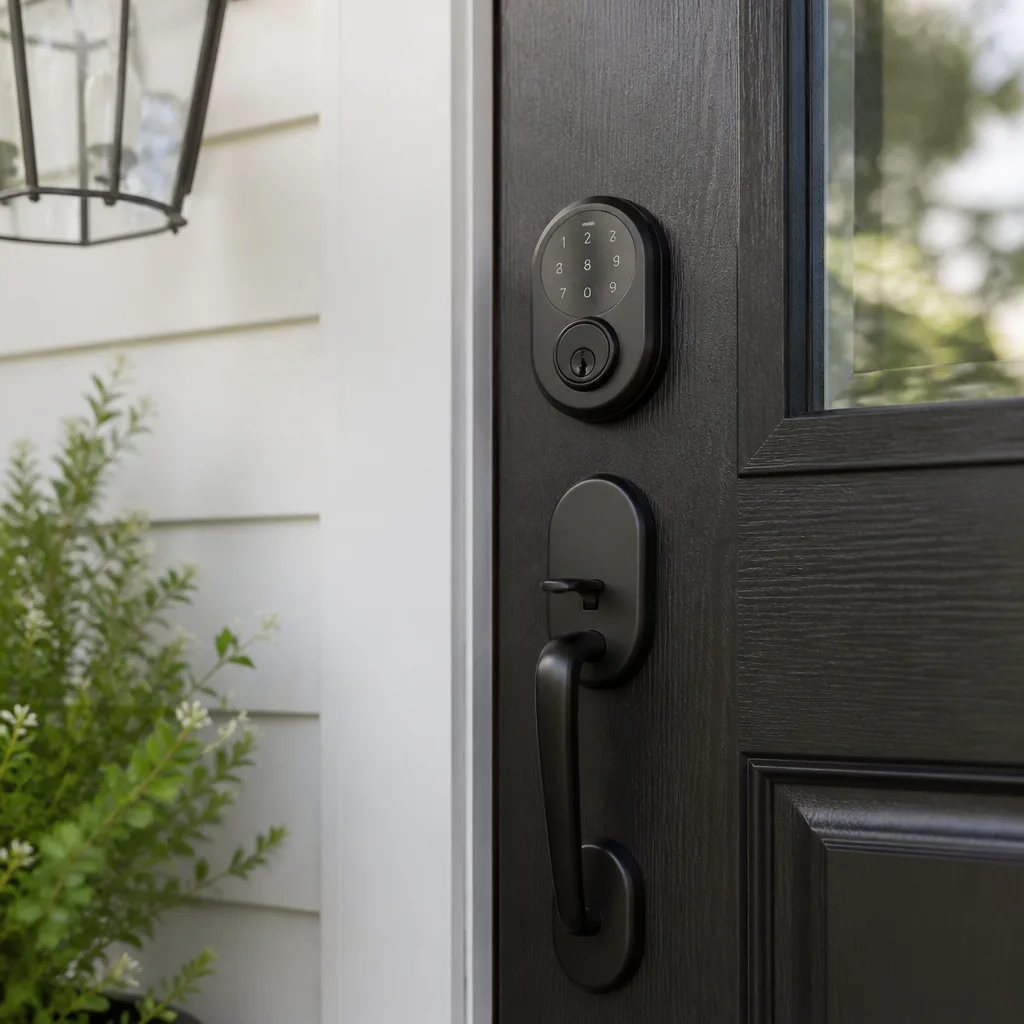 Smart locks
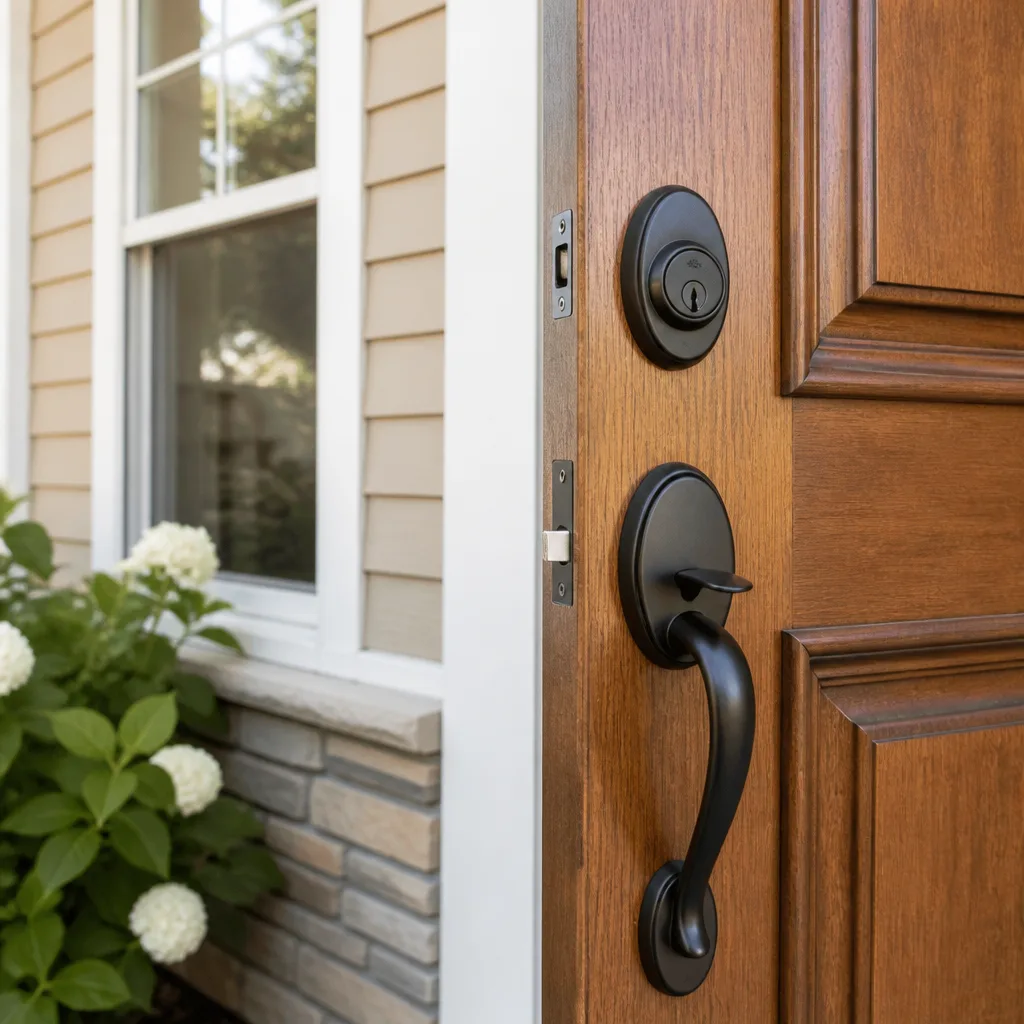 House lockouts
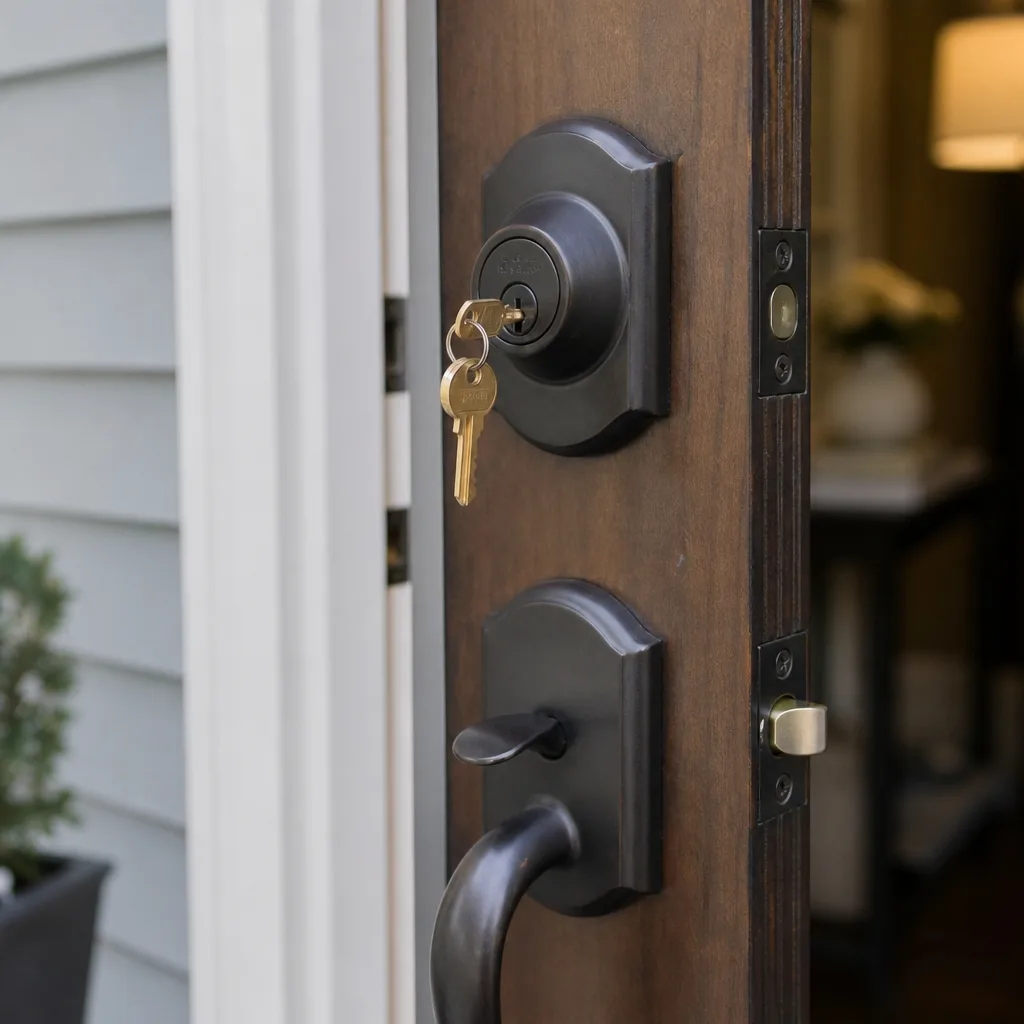 Re-keying
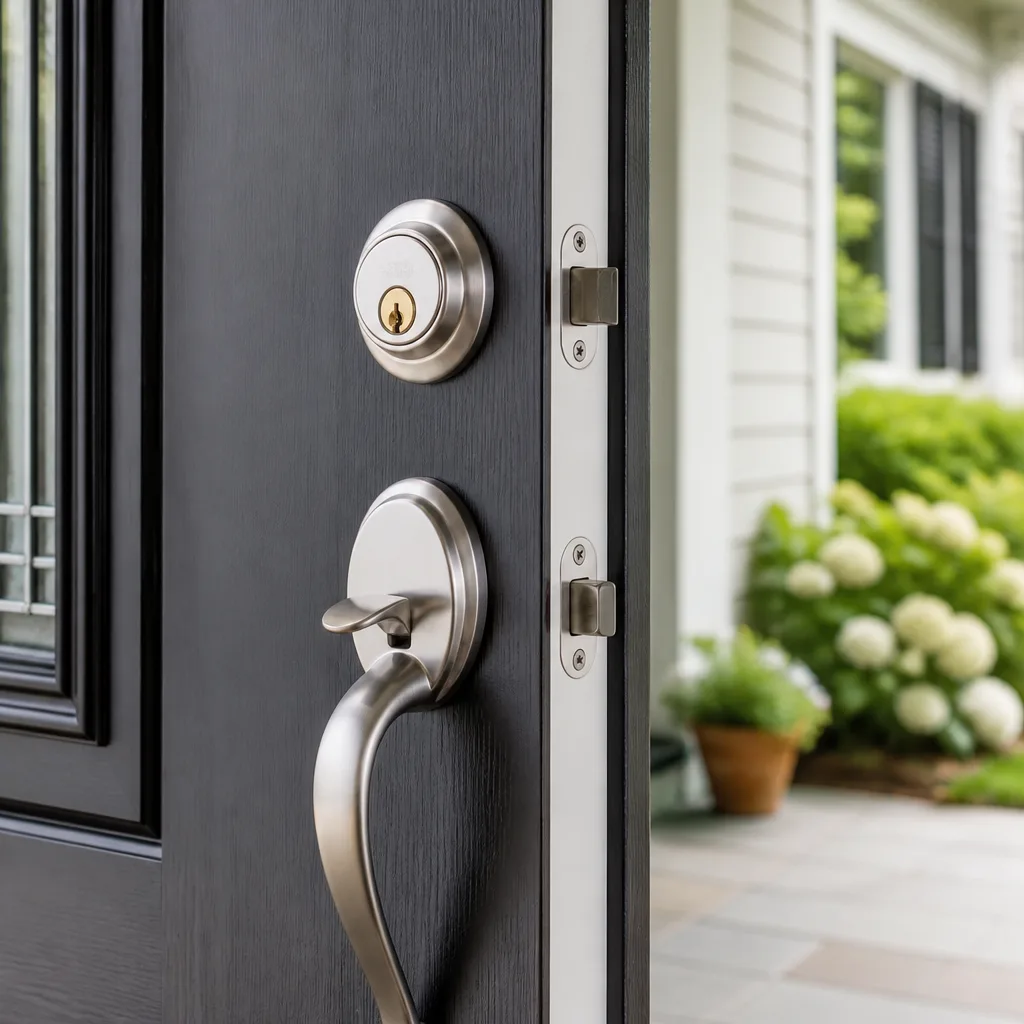 Deadbolt upgrades
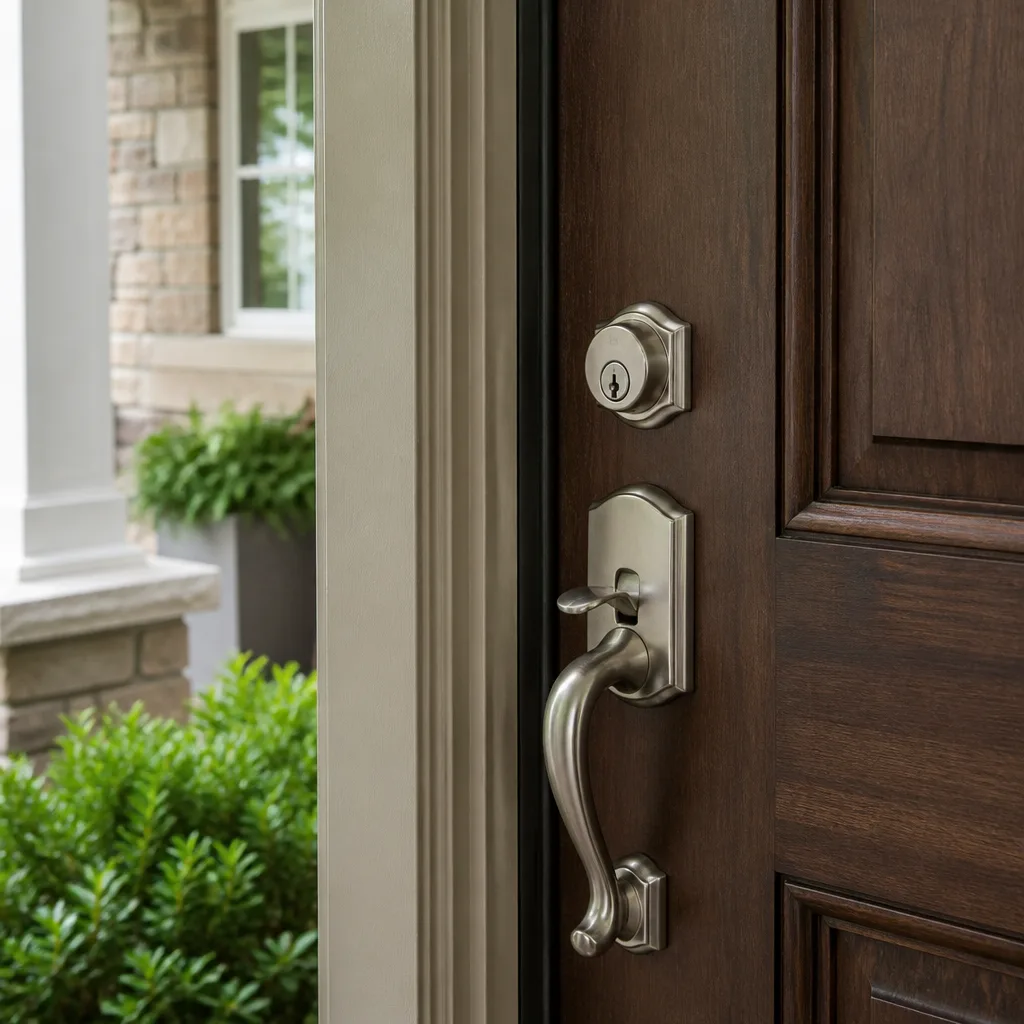 Schlage
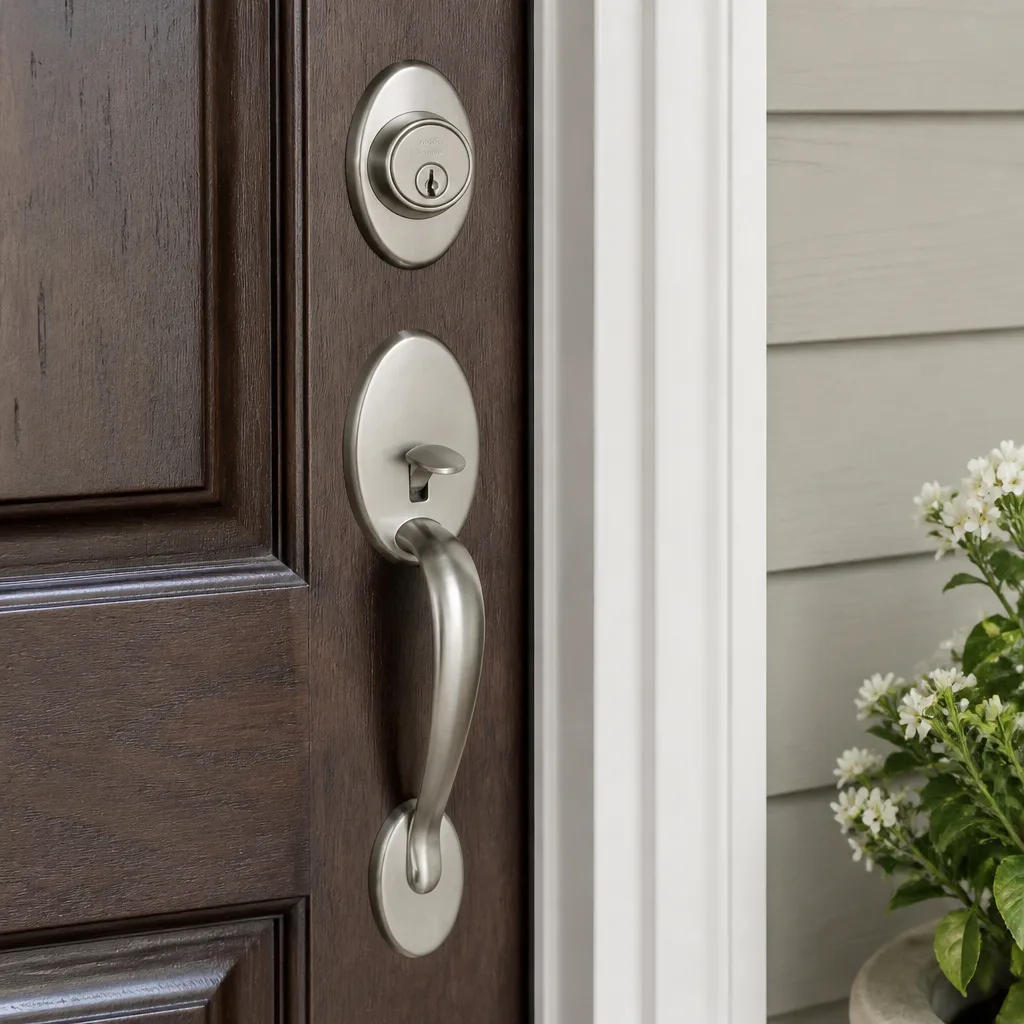 Kwikset
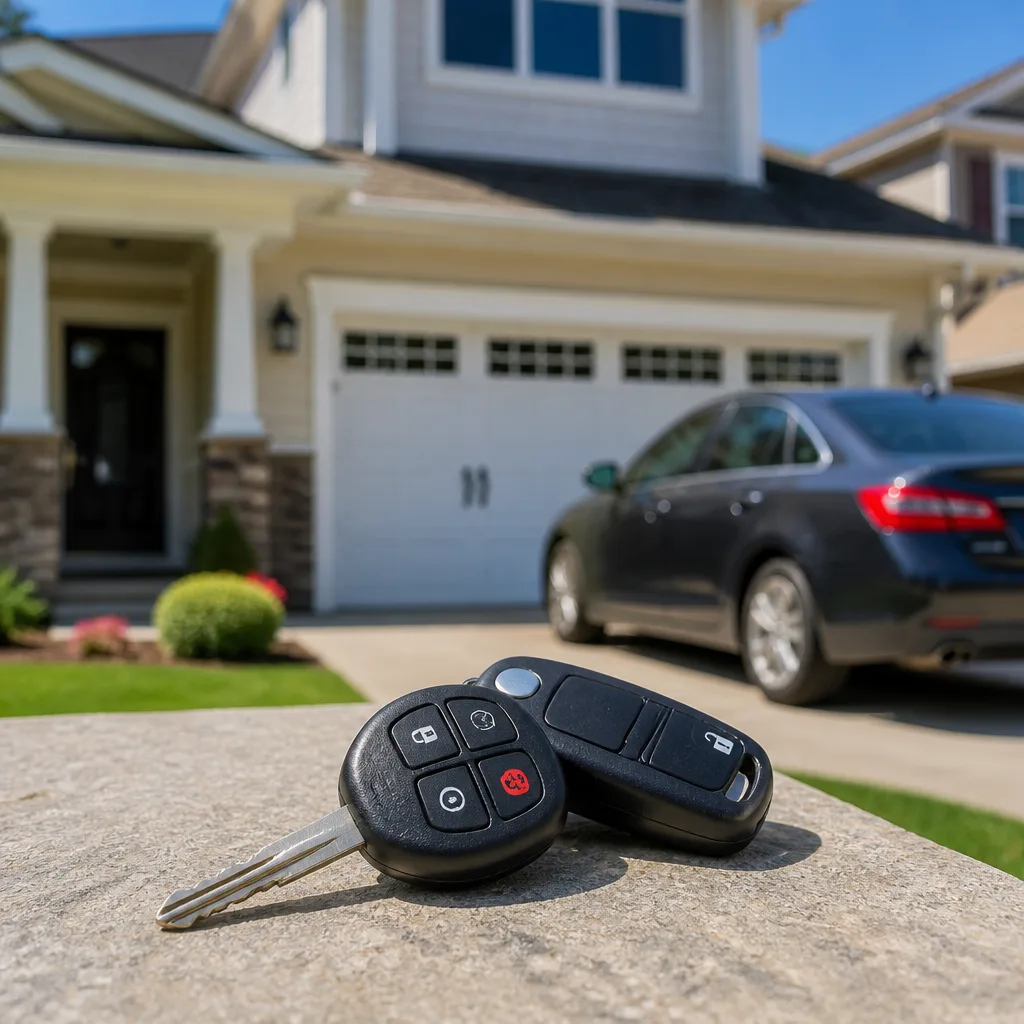 Car keys & fobs
Non-destructive entry first, always - and we re-key Schlage, Kwikset, and Baldwin locks on the spot while you watch
You get a price before we start. It does not change when we arrive. No surprises.
Get your free estimateThe Complete Guide to Locksmith in Chandler
Most Chandler homes built after 2015 shipped with a builder-grade deadbolt that a determined intruder can defeat in under 60 seconds, and the locksmith who installed it never told you. The hardware on your front door was chosen by a contractor optimizing for cost, not security, and in a city adding thousands of new homes per year, that means tens of thousands of Chandler residents are living behind locks that fail the moment someone actually tests them. This guide explains exactly what you’re dealing with: how Chandler’s HOAs, new-build communities, and commercial corridors each create distinct lock challenges, what your options are when those challenges surface, and how to find a locksmith in Chandler who actually knows the difference between a Kwikset cylinder and a Medeco high-security core. For DIY vs Professional Locksmith: The Chandler Homeowner’s Decision Guide and more, see our full resource library.
Styles & brands we work with
Quick Answer
A locksmith in Chandler provides three essential services: car key replacement (including transponder and fob-style keys, without a dealership markup), emergency lockout response for homes and vehicles, and rekey services that change your lock’s internal pins so old keys stop working. Prices vary by service type and hardware brand, but the full quote should always be given over the phone before anyone is dispatched. For residential lockouts, expect to pay between $75 and $160; car key replacement typically runs $120 to $300 depending on the key type; rekeying a standard lock averages $20 to $40 per cylinder plus a service fee.
Table of Contents
- Why Chandler’s Lock Landscape Is Different
- The Three Types of Locksmith Providers (And Which One You Need)
- Car Key Replacement in Chandler: Skip the Dealership
- Rekey vs. Replace: The Smart Move After a Move
- New-Build Tract Homes: Upgrade Before Move-In
- HOA Communities and Master Key Considerations
- Chandler’s Commercial Districts: Different Access Needs
- How to Verify a Chandler Locksmith Before Handing Over Keys
- Common Mistakes to Avoid
- When to Call a Professional
- Frequently Asked Questions
- The Bottom Line
Why Chandler’s Lock Landscape Is Different
Chandler isn’t the same city it was in 1990, when the population sat just under 90,000 and most homes were single-story ranches with simple pin-tumbler deadbolts. Today, Chandler has crossed 280,000 residents, and the housing stock spans everything from 1970s original-owner homes near downtown to brand-new build-to-rent communities along the Price Road corridor. Each era of construction brought different lock hardware, and each homeowner now faces different security realities depending on which decade their door was hung.
In our experience working across Chandler, we see three distinct patterns repeat constantly. First, homes built before roughly 2005 often still have original hardware, meaning locks that have cycled through decades of sun exposure, monsoon-season humidity swings, and general wear. The Arizona climate is genuinely hard on door hardware: the extreme dry heat desiccates lubricants inside lock cylinders, while monsoon humidity introduces enough moisture to cause internal corrosion on older steel components. A lock that works fine in October can start binding by June simply because the internal grease has turned to varnish. Second, homes built during the 2005 to 2014 boom years frequently received mid-grade hardware that is now hitting the end of its service life. And third, the post-2015 tract home wave, especially in communities like Fulton Ranch, packed the least expensive code-minimum deadbolts available, which is where most of the urgent security upgrades happen.
This matters because a locksmith in Chandler needs to understand which era of hardware you have, not just show up with a drill and a replacement cylinder. The difference between a Schlage deadbolt from 1998 and a Kwikset SmartKey from 2019 isn’t cosmetic, it changes how the lock is opened, rekeyed, or repaired. A technician who treats every lock as interchangeable is one you should not let touch your door.
The Three Types of Locksmith Providers (And Which One You Need)
When Chandler residents search for a locksmith, they are usually imagining one type of provider, but there are actually three distinct categories, and calling the wrong one wastes time and money. For a step-by-step approach, read our guide on How to Hire a Locksmith Contractor in Chandler: A Step-by-Step Guide. Understanding the difference up front saves you from the most common frustration in this trade: a provider who can’t actually do what you need.
1. Mobile Locksmiths
A mobile locksmith comes to you, whether you’re standing in a driveway in Warner Ranch, locked out of your car outside Chandler Fashion Center, or standing on a porch near Arizona Avenue with a key that won’t turn. Mobile providers carry the tools to open locks, cut keys, program transponder chips, and rekey or replace hardware on the spot. This is the type of provider you want for emergencies and for any automotive work. The key question to ask a mobile locksmith in Chandler is what brands they actually work on. Many generalists only stock Kwikset and Schlage replacement cylinders, while a provider fluent in Medeco, Mul-T-Lock, Abloy, and Sargent can handle high-security hardware that a generalist would need to drill out or decline. Emergency locksmith response is the service that matters most here: when you’re locked out at 11 p.m., the provider’s depth of capability determines whether you get back in your house in 20 minutes or spend the night on a couch somewhere.
2. Security Integrators
A security integrator designs and installs access control systems, alarm integration, and commercial-grade lock infrastructure. They typically work from shop locations or job sites rather than dispatch vehicles, and they rarely handle emergency lockouts or car keys. For a homeowner, an integrator is overkill. For a Chandler property manager overseeing a medical office suite or a retail building with thirty doors, an integrator is sometimes the right call, but only after the locksmith-level hardware questions are answered first. Many integrators outsource mechanical lock work anyway.
3. Hardware Retailers
Big-box stores and hardware shops sell locks and can sometimes rekey or duplicate a basic key. They cannot come to you, cannot open a stuck or locked door, cannot program a transponder key, and generally cannot work on high-security restricted systems like Medeco or Mul-T-Lock unless they are an authorized dealer. Hardware retail is fine for buying a replacement knob you plan to install yourself. It is not locksmith service.
For most Chandler residents, a mobile locksmith is the answer. The question is which mobile locksmith, and that comes down to the breadth of hardware they can service and whether they are honest about pricing before dispatch.
Car Key Replacement in Chandler: Skip the Dealership
Losing your only car key in Chandler is worse than in most cities because this is not a walking town. If you’re in a home near Cooper and Ray, your nearest dealership might be twenty minutes away, and you can’t drive there because you don’t have a key. The most common assumption is that a dealership is the only option for a modern transponder or fob-style key. That assumption costs Chandler drivers hundreds of extra dollars and hours of waiting.
Here is the direct answer: a qualified automotive locksmith in Chandler can cut and program replacement car keys for most makes and models on-site, usually faster and for significantly less than a dealership quote. Car key replacement is not a dealership-exclusive service, and it hasn’t been for years. The equipment required to program modern transponder keys and proximity fobs is commercially available, and any serious mobile locksmith carries it.
The car key landscape breaks into roughly four tiers:
- Basic mechanical keys (mostly vehicles from before 2000): Simple to cut from the VIN or a code, and the cheapest tier, usually $10 to $75 depending on the blank.
- Transponder chip keys (roughly 2000 to 2015 models): The metal key contains a microchip that must be programmed to the vehicle’s immobilizer before the engine will start. Cutting is the easy part; programming requires diagnostic-style equipment, which a mobile locksmith brings to your driveway.
- Remote-head or integrated fob keys (many 2010s models): The remote and the key are one unit, meaning both the mechanical cut and the wireless button functions need to be set up. These are the keys people assume are dealership-only, but they typically are not.
- Proximity or smart keys (many 2018 and newer vehicles, especially push-to-start models): No metal key to insert; the fob stays in your pocket and the car senses it. These are the most expensive tier to replace, often $200 to $400 or more, but still usually below the dealership’s marked-up price with a longer wait.
One important Chandler-specific consideration: the summer heat will kill car key batteries faster than you expect. If your fob is working intermittently in July, don’t assume you need a new key; the battery may simply be heat-fatigued. A locksmith can diagnose battery versus programming failure in about two minutes, and most mobile providers carry replacement batteries for common fob types.
Rekey vs. Replace: The Smart Move After a Move
When someone moves into a new home in Chandler, whether it’s a 1980s ranch in the San Marcos area or a near-new build in Fulton Ranch, one of the first security questions is whether to replace the locks entirely. The answer is usually no. You should rekey the locks instead, and here is the difference.
Replacing a lock means removing the entire hardware assembly from the door and installing a new one. Rekeying means disassembling the lock cylinder and replacing the internal pins and springs so that the old key no longer works, while a new key operates the same existing hardware. Functionally, rekeying delivers the same security outcome as replacement: anyone holding the previous key is locked out. The difference is cost and time. Rekeying a standard residential cylinder costs roughly $20 to $40 in labor per lock, plus the service call fee, and takes minutes per door. For a detailed look at pricing across all services, see our Locksmith Cost Breakdown: The Chandler Homeowner’s Reference for 2026. Replacing the same lock with mid-grade hardware can run $40 to $120 per lock, plus installation, and requires drilling or removing the old assembly.
There are two scenarios where replacement makes more sense than rekeying. The first is when the existing hardware is visibly worn, corroded, or failing; no amount of new pins fixes a lock whose internal components are at end of life. The second is when you want to upgrade the actual hardware grade, which is especially common in newer Chandler tract homes that shipped with code-minimum deadbolts. In that case, rekeying is pointless because the hardware itself should be replaced with something better. But for a typical move-in where the locks are in decent shape, rekeying is the faster, cheaper, and equally secure path.
A final overlooked point: if you’re buying a resale home in Chandler, you have no way to know how many copies of the existing key are floating around, previous owners, contractors, cleaners, pet sitters, neighbors. Rekeying on day one is the only way to establish a clean key history for your house.
New-Build Tract Homes: Upgrade Before Move-In
Chandler’s post-2015 building wave produced thousands of homes in master-planned communities, and nearly every one of them shipped with the same category of lock hardware: a builder-grade deadbolt and passage knob set that meets minimum code requirements and nothing more. The developers who build these homes install the cheapest hardware that passes inspection. This is not a secret in the construction industry; it is standard practice in every tract home development in the Phoenix metro, and Chandler is no exception.
The practical consequence is that a brand-new home in Chandler can have objectively worse door security than a twenty-year-old home where a previous owner already upgraded. Builder-grade deadbolts are typically no-name or house-brand cylinders with minimal pin counts, stamped internal components, and latch bolts that can be defeated with simple prying tools. They are designed to be inexpensive to supply at scale, not to resist a determined entry attempt.
If you are buying or have recently bought a new-build home in Chandler, the single highest-impact security action you can take is to replace at least the front and rear entry deadbolts before or immediately after move-in. For households that want strong security without a commercial price tag, a quality Schlage or Kwikset maximum-security deadbolt is a significant step up. For homeowners in higher-risk locations or those who want key control, Medeco or Mul-T-Lock hardware adds a level of cylinder precision and key duplication restriction that builder hardware simply does not have. We regularly see Chandler buyers budget for window coverings and security cameras on move-in, while leaving the entry door protected by the cheapest lock installed on the entire property. The door is the part an intruder actually has to pass through.
HOA Communities and Master Key Considerations
Chandler has an unusually high proportion of HOA-governed communities, and that creates lock and key dynamics most residents never think about until a problem occurs. Every HOA with shared amenities, a clubhouse, a pool gate, or maintenance staff relies on some form of key hierarchy, and that hierarchy affects your own door more than you realize.
The first issue is timed access. Many Chandler HOA communities, especially larger ones like those surrounding public golf courses or planned amenity centers, use key systems that are replaced or re-pinned on a schedule. When the HOA updates its common-area keys, individual homeowners may not be affected, but the maintenance staff and vendors who carry master or sub-master keys have their access rotated. If you have ever noticed a pool gate lock changed with no notice, this is why.
The second issue is master keying for maintenance access. In some Chandler rental communities and HOA-managed properties, the system includes a master key or sub-master key that can open multiple units or doors for maintenance purposes. This is a planned access hierarchy, and it works only if every lock in the system is keyed to the same master key system. What this means for a resident is practical: if you rekey your own front door without coordinating with the HOA or property manager, you may inadvertently remove the master key’s access, which can violate your HOA agreement or rental contract. Property managers in Chandler routinely tell us about residents who rekeyed a door and then found out the hard way that maintenance could no longer enter for a leak or electrical issue.
If you live in an HOA-governed community or a managed rental property in Chandler, ask two questions before rekeying or replacing any exterior lock. First, does the property use a master key system, and does your unit participate? Second, are there any hardware or key cylinder requirements in your HOA’s CC&Rs? Some HOAs in Chandler require that door hardware maintain a specific finish or type, which matters if you are replacing rather than rekeying. A quick call to your property manager saves you from an awkward compliance conversation later.
Chandler’s Commercial Districts: Different Access Needs
Chandler’s commercial landscape is not a single uniform market, and the access needs of a small office suite near the Price Road corridor differ sharply from those of a high-turnover retail space near Chandler Fashion Center or a medical practice in a professional park. Property managers and business owners who treat their locks as one-size-fits-all end up paying for the wrong solution.
High-turnover retail spaces, think fast-casual restaurants and boutique shops that see staff changes every few months, have a straightforward need: frequent rekeying. When a key-holding employee leaves, the lock should be rekeyed immediately. At $20 to $40 per cylinder, rekeying every exterior door is an inexpensive way for a Chandler retail tenant to reset access after staff departures. The alternative, waiting until a security incident happens, costs far more.
Office suites present a more complex picture because access tends to layer. A Chandler office tenant may have building access via a common area, individual suite access via a dedicated lock, and possibly storage or server room access with separate cylinders. In these environments, organization matters as much as hardware. A commercial locksmith can establish a key schedule, a documented map of which key opens which door, so that a growing office team in Chandler doesn’t descend into a dozen unlabeled keys and locks that nobody can identify.
Medical facilities in Chandler have a different priority: restricted key control. Practices handling patient records and controlled substances need key systems where duplicates cannot be made at a hardware store. This is where restricted keyways like Medeco, Mul-T-Lock, and Abloy earn their keep, because the blanks are controlled by the locking system’s distributor. No employee can walk into a big-box store and have a copy cut. For a Chandler dental office, physical therapy clinic, or veterinary practice, this level of key control is not a luxury; it’s a compliance-level necessity.
Across all these Chandler commercial scenarios, the common mistake is choosing hardware before defining the access structure. The conversation should start with who needs access, who must not have access, and how often that list changes. Hardware selection follows from the answers.
How to Verify a Chandler Locksmith Before Handing Over Keys
The locksmith trade in Arizona has a reputation problem, and the Phoenix metro is one of the worst markets for bait-and-switch operators. Chandler is not spared. The scenario is depressingly common: a customer searches online, sees a low service fee, calls the number, and the person who arrives at their door gives a price much higher than the quote, often after the lock is already drilled or disassembled. By then, the customer has no negotiating leverage.
Here is how to verify a Chandler locksmith before they touch your door or your car. This is the most important section of this guide.
- Confirm Arizona Registrar of Contractors (ROC) registration. In Arizona, locksmiths performing residential or commercial work must hold a valid ROC license. Ask for the license number and verify it on the ROC website. This is not an optional courtesy; it is the first screen that separates legitimate operators from fly-by-night dispatchers.
- Ask for a flat quote on the phone before anyone is dispatched. A legitimate locksmith in Chandler will give you a price range or a flat quote over the phone based on the work described, and that quote will include the service call fee. If a provider refuses to quote until they are on site, find another provider.
- Confirm brand coverage. Ask directly which lock brands the technician carries and services. If the answer is vague, or if the provider can’t name specific manufacturers, you are likely dealing with a dispatch service that will contract the work to whoever is available. A technician who can service Schlage, Kwikset, Medeco, Mul-T-Lock, and Sargent demonstrates real training, not a drill and a van full of generic cylinders.
- Check whether the provider handles automotive work directly. Many generalist locksmiths do not handle car keys at all, and they will refer you out after you’ve already called. If you need car key replacement in Chandler, confirm automotive capability on the initial call. A provider that handles car keys, emergency lockouts, and rekeying in one call is a signal of genuine in-house capability.
- Ask about the no-damage policy. In most lockout scenarios, a skilled locksmith can open the door without drilling the lock. If the first thing a technician suggests is drilling, especially for a standard deadbolt, question it. Drilling is a last resort for locks that cannot be picked or bypassed, which is rare for standard residential hardware.
These five steps take five minutes and will protect you from the most common scams in the Chandler market. The providers who pass all five are the ones you want on speed dial before an emergency ever happens.
Common Mistakes to Avoid
- Calling a locksmith for the first time during an emergency. When you’re locked out at night, you’ll call whoever appears first in search results, and that’s exactly when bait-and-switch operators thrive. Vet a Chandler locksmith now, save the number, and call them when the emergency actually happens.
- Assuming a new home has good locks. Newer Chandler tract homes often have the worst hardware on the block, because builders optimize cost, not security. Inspect the deadbolt on any new build before assuming you’re protected.
- Replacing locks when rekeying would do the same job. If your existing hardware is in good condition, rekeying costs a fraction of replacement and delivers the exact same security outcome. Chandler homeowners waste thousands of dollars each year on unnecessary full lock replacements.
- Going to a dealership for a replacement car key without checking locksmith pricing first. Dealerships charge a premium for car keys and usually add a longer wait. A mobile automotive locksmith in Chandler can often cut and program the same key at your home or office for less.
- Ignoring key control in multitenant or HOA situations. Rekeying an exterior door in a Chandler HOA or managed rental without checking what access the master key system requires can create compliance headaches. Always check with the property manager first.
- Treating all locksmith quotes as final before work begins. The quote on the phone should match the invoice when the work is done. If a technician tries to add charges on arrival, especially a call-out surcharge that wasn’t disclosed, decline the work. Legitimate providers in Chandler quote upfront and stay within the quoted range.
- Drilling first, asking questions later. In most residential lockout situations, a trained locksmith opens the door without damage. If drilling is proposed immediately for a standard home lock, you’re likely dealing with an undertrained or dishonest provider.
When to Call a Professional
Some lock scenarios are genuinely DIY-appropriate: rekeying a Kwikset SmartKey cylinder following the manufacturer’s instructions, replacing a passage knob with a screwdriver, swapping a deadbolt where the existing bore holes match. But most situations where your access or security is at stake warrant a professional. Call a locksmith in Chandler when you are locked out and cannot safely re-enter; when you’ve lost a car key and don’t have a spare; when you’ve moved into a home where previous keys may circulate; when your lock is binding, sticking, or turning irregularly; and any time you want to establish restricted key control for a business or multitenant property. These are not calls to make halfway, because a botched attempt often turns a $50 fix into a $300 repair. Thornton Lock & Key offers free estimates in Chandler, call (888) 455-7175 to get an exact quote over the phone before anyone is dispatched.
Frequently Asked Questions
Residential lockout service in Chandler typically runs $75 to $160 including the service call, car key replacement runs $120 to $300 depending on key type, and rekeying a standard cylinder costs $20 to $40 per lock plus a service fee. These are honest market ranges for legitimate providers; if a quote is drastically lower, expect a bait-and-switch. Call (888) 455-7175 for an exact quote on your specific situation, and that quote is the price on your invoice.
With an honest provider, yes: the price quoted on the phone before dispatch is the price you pay when the work is complete. The locksmith trade has a documented problem with low teaser quotes that balloon after a technician arrives, which is why we quote fully on the phone and do not add call-out surcharges on arrival. If a provider won’t commit to a price before dispatch, consider that a warning sign.
Yes, in most cases. A mobile automotive locksmith can originate a new car key from the vehicle’s VIN and program the transponder or proximity system on-site, even when all keys are lost. This often costs less than a dealership quote and doesn’t require towing the vehicle. The exception is some very new or exotic models with encrypted key systems that require dealership-level authorization.
Response time varies by provider and time of day, but a mobile locksmith serving Chandler can usually reach most neighborhoods within 30 to 60 minutes. Emergency lockout calls are prioritized. If you’re locked out in the summer heat, especially with children, pets, or a running AC at stake, mention that on the call and a good provider will treat it with appropriate urgency.
No. Rekeying and replacing deliver the same security outcome: old keys stop working and new keys work. The only variable is the physical condition of the hardware. If the existing lock is worn, corroded, or cheap builder-grade, replacement upgrades the security level. If the hardware is sound, rekeying is equally secure and far less expensive.
It depends on your HOA’s governing documents and whether your property participates in a master key system. Some Chandler HOAs restrict exterior hardware finishes or types, and some managed communities use master or sub-master keys that property staff use for maintenance access. Check your CC&Rs or call your property manager before rekeying or replacing any exterior lock to avoid a compliance issue.
The Bottom Line
Chandler’s lock and key reality is shaped by what the city has become: a fast-growing grid of HOA communities, commercial corridors, and new-build homes that each create their own access and security challenges. The builder-grade deadbolt on a new tract home, the master key hierarchy in an HOA community, the high-turnover storefront near Chandler Fashion Center, and the lost transponder key on a car parked in a Warner Ranch driveway all call for different solutions, and none of them are served well by a generic search-result gamble. Know what type of provider you need, verify ROC registration before anyone touches your door, get the full quote on the phone, and choose a locksmith in Chandler who can work on the lock you actually have, whether that’s a Kwikset on a front door or a Medeco on a medical suite. Explore more guides & resources on Chandler security and locksmith services.
Written by the team at Thornton Lock & Key, serving Chandler since 2018.